
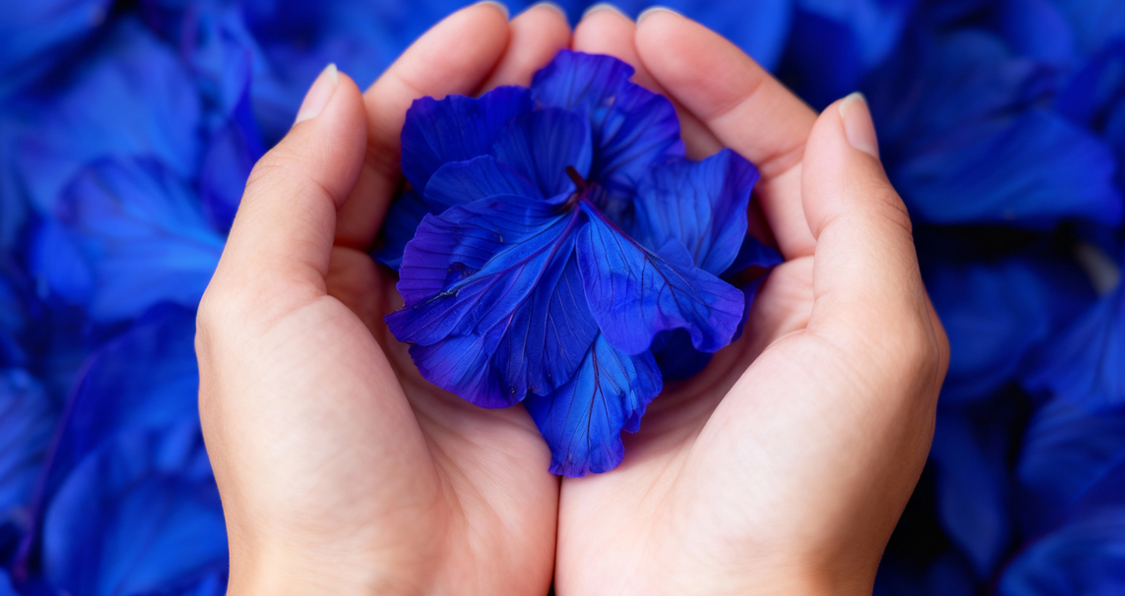
Everyday joint comfort depends on many moving parts: oxidative balance, gentle movement, circulation, good sleep, and steady stress care. Blue Pea Flower (Clitoria ternatea)—Nil Katorolu in Sri Lanka—offers a naturally caffeine‑free way to add polyphenol antioxidants to your day. Beverages and extracts made from blue pea have demonstrated antioxidant capacity (e.g., higher total phenolics and ORAC values), suggesting a role in buffering everyday oxidative stress that can affect joint tissues. Think of it as a supportive companion to a joint‑friendly routine—alongside omega‑3s, mobility work, and restorative sleep—rather than a stand‑alone remedy.This content is educational and not medical advice. If you live with a diagnosed joint condition, work with your clinician to tailor a plan.
Why Oxidative Balance and Inflammation Matter for Joints
- Oxidative stress and pro‑inflammatory signalling can influence cartilage, synovial tissues, and the perception of discomfort. Plant‑based strategies are being explored for their potential to help balance these processes.
- Phytomedicine research in joint disorders (across various botanicals) reports improvements in oxidative status and inflammatory mediators in preclinical models—evidence that plant compounds can modulate joint‑relevant pathways, even if not specific to blue pea.
- Lifestyle plays a major role: multidisciplinary “plants‑forward” programmes have shown promising reductions in pain and stiffness, and improved function in rheumatic and osteoarthritic contexts.
Together, these strands support a practical, food‑first approach to joint care.
What Blue Pea Flower Brings to the Table
- Polyphenol antioxidants: Blue pea preparations show measurable antioxidant activity and multiple mechanisms of action in beverage form, aligning with a role in managing day‑to‑day oxidative stress; high total phenolic content and ORAC values have been recorded in formulations and extracts.
- Caffeine‑free calm: A warm cup can anchor wind‑down routines that reduce muscle tension and perceived discomfort—useful when stress amplifies symptoms.
- Tradition‑informed use: Around the world, medicinal plants are widely used for joint complaints, with ethnobotanical surveys documenting anti‑inflammatory and antioxidant plant remedies in community practice . While this doesn’t prove efficacy for blue pea specifically, it sets a helpful context.
Caveat: Human clinical trials on blue pea specifically for joints are limited. Treat it as complementary to a comprehensive routine.
Practical Routine for Everyday Joint Comfort
- Daily tea ritual: Steep 1–2 teaspoons of dried Blue Pea Flower in hot water for 5–7 minutes; strain. Cold‑brew 6–12 hours for a smoother taste and deeper colour. Aim for 1–2 cups daily.
- Mobility “snacks”: Add 5–10 minutes of gentle mobility or a short walk after meals to keep joints nourished and comfortable.
- Smart plate: Prioritise colourful vegetables, legumes, whole grains, nuts, and seeds to broaden polyphenols and fibres (a proven direction for joint‑friendly eating patterns).
- Omega‑3s and protein: Include oily fish or algae‑based omega‑3s several times a week and sufficient protein to support tissue maintenance.
- Recovery behaviours: Favour consistent sleep and simple breathwork—small levers that reduce nervous‑system “noise” around discomfort.
For background on redox biology, see our primer on antioxidants and oxidative balance. To support whole‑system calm, explore nervous system and stress support. For circulation’s role in tissue nourishment, see healthy blood circulation.
How Blue Pea Flower Fits with Evidence‑Led Joint Care
- Complementary—not curative: Plant antioxidants can be one piece of a wider plan. Reviews of medicinal plants highlight anti‑arthritic potential across species, yet individual responses vary and quality research is still evolving.
- Mechanistic plausibility: In joint models (with other botanicals), reductions in inflammatory cytokines and improved oxidative status have been observed, underscoring the relevance of antioxidant pathways in joint comfort .
- Lifestyle anchor: Whole‑diet, activity, and stress‑management programmes have shown joint‑function benefits; a blue pea ritual dovetails with this approach.
If you’re on prescribed therapies, keep them in place and coordinate any changes with your clinician.
Safe Pairings and Synergies
- With turmeric/curcumin: Popular for joint routines; an evidence base (including animal studies and early human trials) suggests potential to reduce chronic inflammation in RA contexts. Blue pea + turmeric is a common, food‑friendly pairing.
- With gentle movement: Yoga, tai chi, swimming, or walking can ease stiffness and support circulation.
- With topical care: Warm compresses, contrast showers, or topical balms may add comfort on busier days.
Tip: Keep a simple journal (tea intake, movement, sleep, perceived comfort) for 2–4 weeks to spot helpful patterns.
Safety, Interactions, and Quality Notes
- Blue Pea Flower is generally enjoyed at culinary levels. If you’re pregnant, breastfeeding, using anticoagulants or blood‑pressure medicines, or planning surgery, consult your clinician first.
- Choose clean, food‑grade flowers from reputable suppliers; quality processing preserves polyphenols.
- This product is not intended to diagnose, treat, cure, or prevent disease.
Product CTA
Ready to add a calm, colourful ritual to your joint‑care routine?
Shop Blue Pea Flower
Related Articles (Internal Links)
- Redox basics for joint tissues: antioxidants and oxidative balance
- Ease the load on your nervous system: nervous system and stress support
- Nourish tissues via circulation: healthy blood circulation
FAQs
- How long to notice effects?
Many people reassess comfort and ease of movement over 2–4 weeks of consistent routine—tea, mobility, sleep, and nutrition together. - Can I combine Blue Pea Flower with turmeric?
Yes. They act via different pathways and may be complementary. Early evidence supports curcumin’s role in inflammation balance in RA contexts. - Is Blue Pea Flower proven for arthritis?
Human trials specific to blue pea and arthritis are limited. Broader research on phytomedicine and plant‑forward programmes shows promise for joint comfort, stiffness, and function. - How much should I drink daily?
1–2 cups is a common culinary pattern. Keep use moderate and consistent within a whole‑lifestyle plan.
Key Takeaways
- Antioxidant support: Blue pea beverages and extracts show antioxidant capacity, aligning with a role in buffering everyday oxidative stress that can affect joints.
- Holistic approach: Evidence across phytomedicine and plant‑forward programmes supports a multi‑pillar plan—nutrition, movement, sleep, and stress care—for joint comfort.
- Practical pairing: Blue pea tea sits naturally with omega‑3s, mobility work, and calming routines; turmeric may offer complementary benefits.
- Safety first: Use as a supportive food or tea and consult your clinician for diagnosed conditions or when on medication.
Last Updated
Friday, 31 October 2025 (UTC)