
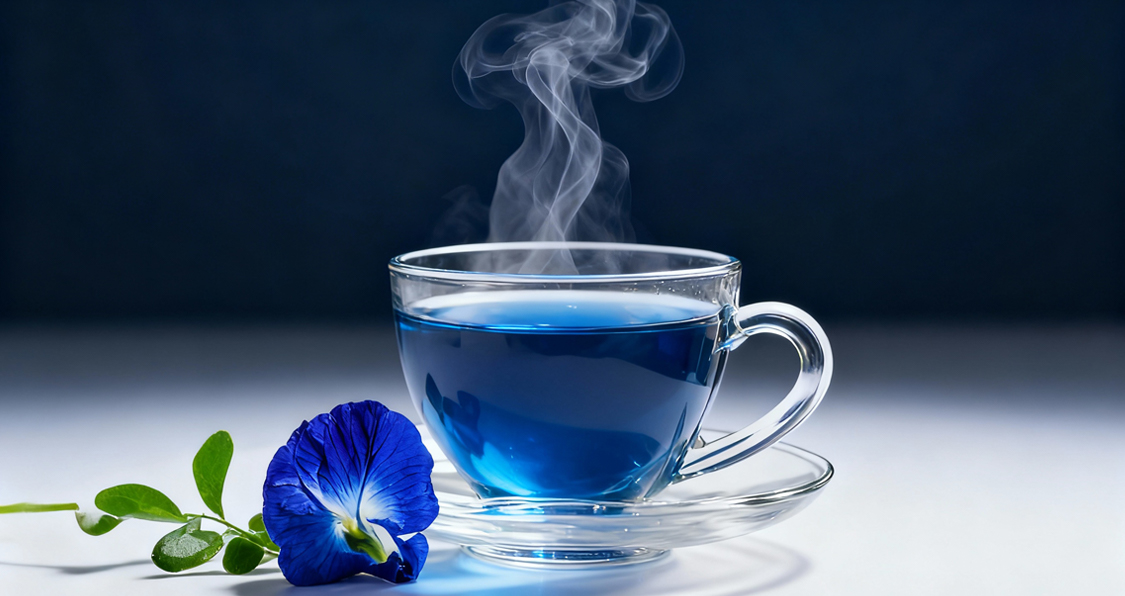
Healthy circulation delivers oxygen and nutrients throughout the body—from brain and eyes to skin, muscles and the heart itself. Blue Pea Flower (Clitoria ternatea), known locally as Nil Katorolu, is rich in colourful polyphenols (notably anthocyanins) that are often discussed for their role in supporting vascular health and redox balance. Popular health coverage notes that anthocyanin‑rich butterfly pea may help improve blood circulation—one of the reasons this caffeine‑free “blue tea” is embraced as a gentle daily ritual
Early experimental research further suggests that flavonoids can ease endothelial oxidative stress and support nitric‑oxide (NO) bioavailability—key factors for comfortable blood flow—although much of this evidence remains preclinical.This article is educational and not medical advice. Blue Pea Flower is best used as a supportive food or tea within a healthy lifestyle.
Why Circulation and Endothelial Comfort Matter
- The endothelium (the lining of blood vessels) helps regulate vascular tone and blood flow.
- Oxidative stress in the endothelium can reduce NO availability, making vessels less able to relax. Flavonoids are reported to lower endothelial oxidative stress and increase NO bioavailability in experimental settings, which may be favourable for blood‑flow dynamics.
- Practical, daily steps—movement “snacks,” hydration, sleep and a plant‑forward plate—work together with polyphenol‑rich drinks to support everyday vascular wellness.
What’s Inside Blue Pea Flower That’s Relevant to Blood Flow
- Anthocyanins: The pigments that create the vivid blue hue are widely discussed for circulation support in consumer health pieces.
- Polyphenol/flavonoid matrix: Flavonoids are associated with endothelial comfort via redox support and NO pathways in preclinical models.
- Caffeine‑free format: As an herbal infusion, Blue Pea Flower is easy to enjoy any time of day without stimulant effects.
For the broader science of polyphenols in redox balance, see our primer on antioxidant defence.
What the Research Suggests (Cautiously)
- Preclinical cardiovascular study: In a nitric‑oxide‑deficient hypertensive rat model, Clitoria ternatea extract alleviated cardiovascular dysfunction and oxidative stress, aligning with the idea that flavonoids can lower endothelial oxidative stress and enhance NO bioavailability.
- Popular coverage and summaries: Consumer health articles frequently highlight butterfly pea’s anthocyanins in the context of circulation and heart wellness, though these are not substitutes for peer‑reviewed clinical trials.
- Bottom line: Evidence around Blue Pea Flower and circulation is promising but preliminary. Treat it as a supportive tea within a heart‑smart lifestyle rather than a therapy.
If you’re keen on the brain–circulation link, explore Blue Pea Flower’s role in cognitive performance. For beauty from within tied to microcirculation, see hair and scalp vitality.
How to Use Blue Pea Flower for Everyday Vascular Wellness
- Brewing basics: Steep 1–2 teaspoons of dried flowers in hot water for 5–7 minutes; strain. For a smoother taste and deeper colour, cold‑brew for 6–12 hours.
- Flavour pairings: Lemon or lime (watch the colour shift to purple), ginger, lemongrass, mint or a touch of honey.
- Daily rhythm: Many people enjoy 1–2 cups per day.
- Timing tip: Pair your cup with a short stroll—10–15 minutes of gentle walking after meals can complement circulation routines.
- Plate it: Build a plant‑forward plate (vegetables, legumes, whole grains, nuts, seeds) to diversify polyphenols and support endothelial comfort.
Lifestyle Pairings That Multiply the Benefits
- Movement “snacks”: Short bouts of walking or mobility across the day help maintain blood‑flow dynamics.
- Hydration: Fluids support blood volume and comfort, especially in warm climates or active days.
- Sleep and stress: Restorative sleep and simple stress resets (breathwork, stretching) aid vascular tone.
- Colourful diet: A rainbow of plants adds polyphenol diversity that complements Blue Pea tea.
Safety, Interactions and Sensible Use
- Blood pressure and anticoagulants: If you take medicines for blood pressure or blood thinning, speak with your clinician before regular use; some sources caution that butterfly pea may influence circulation and platelet activity, so medical guidance is prudent.
- Life stages and procedures: If you are pregnant, breastfeeding, planning surgery or managing a medical condition, seek personalised advice.
- General note: Evidence is still developing; keep use culinary and moderate.
Ready to include a calm, colourful ritual in your heart‑smart day?
Buy Nil Katorolu (Blue Pea Flower)
Related Articles
- Polyphenols and redox balance: antioxidant defence
- Brain delivery and focus: cognitive performance
- Beauty from within: hair and scalp vitality
FAQs
- Does it lower blood pressure?
Research is preliminary. Preclinical work suggests favourable effects on endothelial oxidative stress and NO pathways, but human evidence is limited. Treat Blue Pea Flower as supportive, not therapeutic. - Is it safe with medicines?
If you use antihypertensives or anticoagulants, consult your clinician before regular use; some guidance cautions against use with blood thinners or around procedures. - How many cups per day?
Many people enjoy 1–2 cups daily as part of a plant‑forward lifestyle. - Can I drink it in the evening?
Yes. It’s caffeine‑free and pairs well with an evening stroll or wind‑down routine.
Key Takeaways
- Blue Pea Flower supplies polyphenols (including anthocyanins) that are widely discussed for supporting circulation; media coverage notes improved blood flow as a potential benefit .
- Experimental research indicates flavonoids can reduce endothelial oxidative stress and support NO bioavailability—mechanisms linked to comfortable blood flow—though much evidence is preclinical.
- Use Blue Pea Flower as a gentle, daily tea within a heart‑smart routine: movement, hydration, sleep and a colourful, plant‑forward plate.
- Seek advice if you take cardiovascular or anticoagulant medicines; keep use culinary and moderate.
Last Updated
Friday, 31 October 2025 (UTC)