
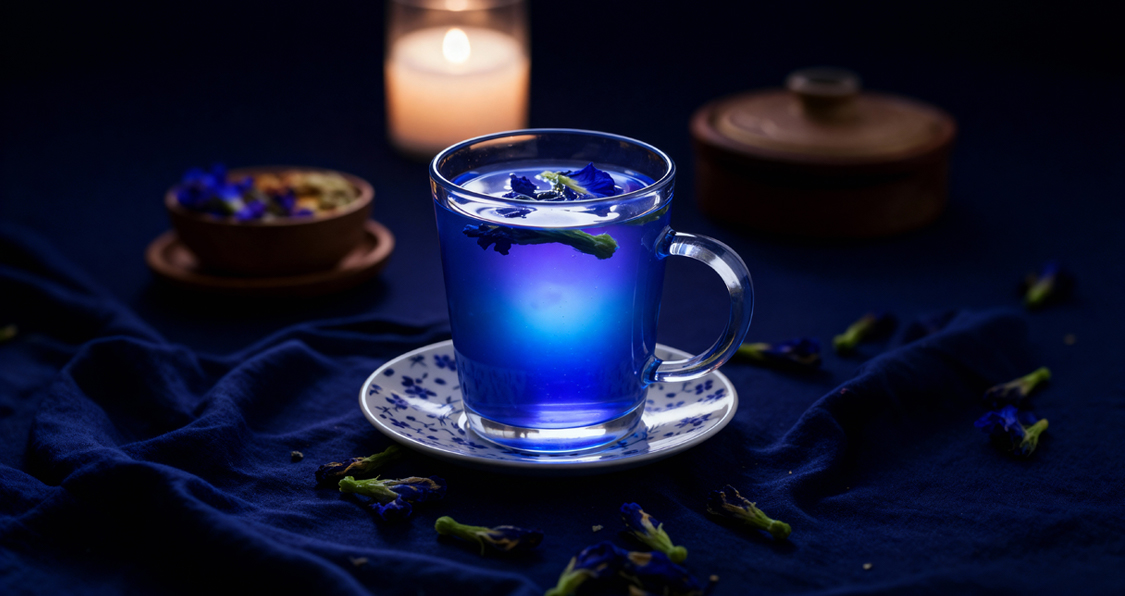
Blue Pea Flower (Clitoria ternatea), known in Sri Lanka as Nil Katorolu, is cherished as a soothing, end‑of‑day tea ritual. Traditional and popular wellness sources describe butterfly pea as calming—used to reduce stress, ease anxious feelings, and encourage mental relaxation—making it a favorite for winding down without caffeine. Some write‑ups also summarize emerging research claims for nootropic, anti‑stress, and mood‑supportive effects, though human clinical data remain limited and ongoing. Consider Blue Pea Flower a gentle companion to core habits—breathwork, a short evening walk, and reducing screen light—that collectively support mood, sleep quality, and nervous system balance.
This article is educational and not medical advice.
Why Stress Balance Matters
- The stress response involves the autonomic nervous system (especially the sympathetic “fight or flight” branch). Overactivation contributes to physiological and psychological strain, and chronic load can impact cardiovascular and nervous system well‑being.
- Daily practices that nudge the body back toward equilibrium—calming rituals, nature time, light movement, and sleep—are central to resilience.
What We Know About Blue Pea Flower for Calm
- Blue Pea Flower is widely described in traditional and popular sources as calming and stress‑relieving, promoting a relaxed state without stimulants .
- Some reports summarize lab and preclinical findings suggesting potential neuropharmacological actions (e.g., nootropic, anti‑stress) for Clitoria ternatea extracts; these overviews are promising but not definitive for specific health outcomes in humans.
- Bottom line: It’s reasonable to enjoy Blue Pea Flower as a soothing, caffeine‑free ritual that may support a calmer mood—best used alongside proven lifestyle practices.
How Nil Katorolu May Support a Healthy Stress Response
- Antioxidant and redox balance: Oxidative stress and mood are linked; polyphenol‑rich botanicals are often used to help maintain redox balance, which can support a steadier nervous system environment. Butterfly pea is commonly cited for calming, stress‑relieving benefits in wellness literature.
- Ritual and sensory cues: The vivid blue infusion, warm temperature, and intentional pause create a multi‑sensory signal of safety and slowing down. Calming routines complement the body’s shift toward parasympathetic (rest‑and‑digest) dominance, counterbalancing sympathetic drive.
- Non‑caffeinated focus: As an herbal infusion, Blue Pea Flower is caffeine‑free and can be part of a wind‑down routine without jittery rebound—an advantage for evening calm.
For a brain‑centric perspective, see how Blue Pea Flower can support memory and cognitive performance.
A Simple Evening Calm Stack
- Sip Blue Pea Flower warm 60–90 minutes before bed; add lemon or ginger if you like.
- Do 2–5 minutes of breathwork, such as box breathing or 4‑7‑8.
- Take a short outdoor walk to downshift and cue circadian rhythms.
- Dim screens and lights, favoring amber tones for the last hour.
- Journal or plan tomorrow briefly, then close the loop to reduce cognitive load.
These practices reinforce each other and help the nervous system settle—use the tea as your ritual anchor.
Practical How‑To
- Brew: Steep 1–2 teaspoons of dried Blue Pea Flower in hot water for 5–7 minutes; strain. Cold‑brew 6–12 hours for a smoother taste.
- Pairings: Lemon/lime (blue → purple color change), ginger, lemongrass, mint, cinnamon, or a touch of honey.
- When to drink: Afternoon screen break or evening wind‑down. Many enjoy 1–2 cups daily.
- Consistency > intensity: Small, regular rituals tend to deliver the biggest benefits for mood and stress over time.
Where Calm Meets Whole‑Body Wellness
- Calmer evenings support better sleep—fuel for next‑day focus and mood. Explore brain benefits in memory and cognitive performance.
- Steadier stress responses can ease muscle tension and perceived discomfort after activity; read about joint comfort and recovery.
- A calm, colorful routine adds up over time—see our practical tips for everyday glow and healthy aging.
Safety and Quality Notes
- Blue Pea Flower tea is generally enjoyed as a culinary beverage. If pregnant, breastfeeding, managing a condition, or using medication, consult your clinician first.
- Choose clean, food‑grade flowers from reputable sources.
- This product is not intended to diagnose, treat, cure, or prevent disease; use as part of a holistic routine.
Ready to add a soothing ritual to your evenings?
Shop Nil Katorolu (Blue Pea Flower)
FAQs
- Will it make me sleepy?
Blue Pea Flower is non‑caffeinated and widely described as calming; many people find it relaxing without feeling sedated . - Can kids drink it?
Culinary amounts of herbal tea are common in many households; for regular use or higher amounts, seek pediatric guidance tailored to your child. - How fast will I notice effects?
Many feel the relaxing ritual right away; deeper benefits come from consistent evening habits over days to weeks. - Can I combine it with other calming herbs?
Some people enjoy blends with chamomile or lemongrass in evening routines; if you use medications, check with your clinician.
Key Takeaways
- Traditionally calming: Butterfly pea is widely described as soothing, stress‑relieving, and relaxing in popular wellness sources.
- Supportive, not curative: Reports summarize potential anti‑stress and nootropic actions, but human clinical evidence is still developing.
- Ritual matters: Use the tea to anchor breathwork, light movement, and screen‑down cues that help the autonomic nervous system rebalance.
- Evening‑friendly: Caffeine‑free, colorful, and comforting—an easy addition to a calmer nightly routine.
Last Updated
Friday, October 31, 2025 UTC