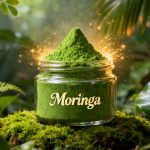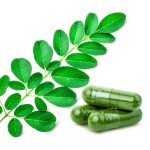

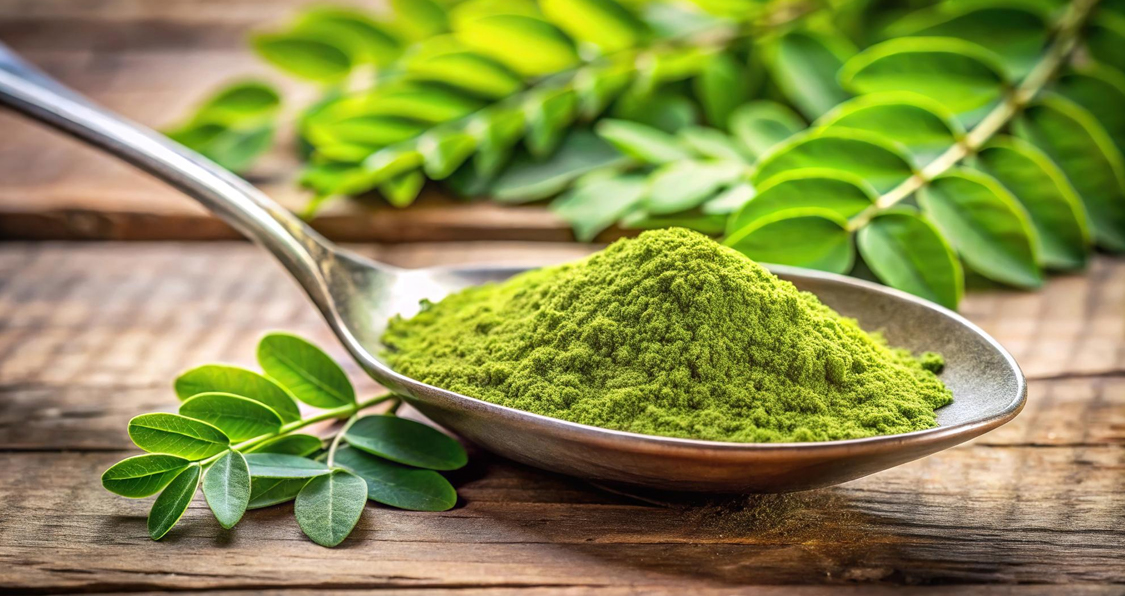
Radiant skin and resilient hair start with everyday nutrition and protection. Moringa oleifera—also called the drumstick tree, “murunga,” or මුරුංගා—offers a rare inside–out beauty profile: antioxidant‑rich leaves (vitamins C and E, provitamin A, polyphenols) to help defend skin from everyday oxidative stress, plus a seed oil prized for its stable, emollient fatty acids that seal in moisture without feeling heavy. While moringa isn’t a cure for skin or scalp conditions, it can complement a routine built on sun‑smart habits, whole‑food nutrition, sleep, hydration, and stress care. For cellular defense basics, see our explainer on antioxidants for skin defense.This article is educational and not medical advice.
Why Antioxidants Matter for Skin, Hair, and Healthy Aging
- Daily stressors: UV light, pollution, blue light, and stress increase reactive oxygen species (ROS) that can degrade lipids, proteins, and DNA in skin and hair follicles.
- Collagen and elasticity: Oxidative stress upregulates enzymes (MMPs) that break down collagen. Nutrient antioxidants help buffer this process.
- Barrier function: A healthy stratum corneum and sebum film reduce transepidermal water loss (TEWL), supporting softness, bounce, and comfort.
- Scalp environment: Oxidative stress and buildup around follicles may influence breakage and hair quality; supportive care focuses on gentle cleansing, nutrition, and circulation.
Inside Moringa: The Beauty‑Relevant Nutrients and Lipids
- Vitamin C (leaf): Supports collagen formation and helps recycle vitamin E; a cornerstone for firm, supported skin.
- Vitamin E (leaf and oil): Fat‑soluble antioxidant that protects skin lipids and supports barrier function.
- Provitamin A (beta‑carotene; leaf): Converted to vitamin A as needed; supports epithelial integrity and glow.
- Polyphenols (quercetin, chlorogenic acid; leaf): Add “antioxidants for skin defense,” buffering everyday oxidative stress.
- Amino acids (leaf): Contribute to overall protein sufficiency that underpins tissue repair and hair fiber strength.
- Minerals (leaf): Zinc (trace), magnesium, and iron support general tissue health and oxygen delivery.
- Seed oil fatty acids (topical): High‑oleic profile with notable behenic acid content offers a light, stable emollient that helps seal in moisture and soften skin and hair cuticles.
For the full micronutrient picture, see our guide to nutrients that feed healthy skin and hair.
Moringa Oil (Seed) Topically: What It Can Do
- Emollient and sealing: Helps reduce TEWL, softens rough patches, and adds slip without a heavy, greasy feel.
- Stability: Naturally resistant to oxidation, making it suitable for leave‑on use (face, body, hair lengths).
- Blend‑friendly: Layers well with humectants (hyaluronic acid, glycerin) and ceramide‑rich creams.
- How to use (face/body):
- After water‑based steps, apply 1–3 drops of moringa oil as a final sealing step.
- Mix 1–2 drops into your moisturizer for a soft‑finish upgrade.
- Patch test first; discontinue if irritation occurs.
- Hair/scalp ideas:
- Pre‑wash oil: Massage a small amount into mid‑lengths and ends for 30–60 minutes to reduce breakage.
- Finishing drop: Rub a drop between palms and smooth over flyaways.
- Scalp: Use sparingly as a pre‑wash massage oil if you don’t have scalp sensitivities; avoid if prone to buildup.
Note: Moringa oil provides comfort and glow but does not replace SPF. Always use broad‑spectrum sunscreen in the morning.
Leaf Powder Internally: Beauty From Within
- Collagen support: Vitamin C aids collagen formation; polyphenols help defend collagen from oxidation.
- Barrier nutrients: Provitamin A and vitamin E support epithelial and lipid balance.
- Hair resilience: Amino acids and iron contribute to general protein and oxygen delivery needs relevant to hair fiber strength.
- How to take: Start with 1/2 teaspoon moringa leaf powder daily; increase to 1–2 teaspoons as tolerated with meals.
- Pairing tips: Include healthy fats (olive oil, avocado, tahini) to boost carotenoid absorption; citrus can complement iron uptake.
- Energy and aging: Nutrient sufficiency supports daylong vitality—see energy and vitality for healthy aging.
What the Research Suggests
- Antioxidant capacity: Lab and early human studies show moringa leaf can increase total antioxidant capacity and improve surrogate redox markers.
- Skin and hair specifics: Direct clinical trials on wrinkles, pigmentation, or hair growth are limited; most evidence is mechanistic (antioxidants, fatty acids) and experiential.
- Bottom line: A promising inside–out companion to established skincare and haircare routines, best used consistently alongside proven habits.
Practical AM–PM Beauty Routine Featuring Moringa
- AM
- Cleanse (gentle)
- Antioxidant serum (vitamin C or polyphenols)
- Moisturizer; then 1–2 drops moringa oil to seal
- Broad‑spectrum SPF 30+ (non‑negotiable)
- Optional: Add 1/2–1 tsp moringa powder to a breakfast smoothie
- PM
- Cleanse (double cleanse if sunscreen/makeup)
- Targeted treatments (retinoids/acids used per tolerance)
- Moisturizer; finish with 1–3 drops moringa oil for comfort
- Hydration and lights‑down routine to protect sleep (skin’s repair window)
- Weekly hair ritual
- Pre‑wash oiling: Light moringa oil on mid‑lengths/ends 30–60 minutes pre‑shampoo
- Scalp massage 2–3 minutes (pre‑wash) if not prone to buildup
- Finish with a lightweight conditioner; a single drop of oil to smooth ends
Lifestyle Habits that Amplify Results
- Sun‑smart: Daily SPF, hats, shade seeking.
- Colorful plate: Polyphenol‑rich fruits/veggies and adequate protein to feed collagen and keratin.
- Hydration: Water and electrolyte‑rich foods support plumpness and comfort.
- Sleep and stress care: Nightly repair processes rely on consistent sleep; stress management steadies skin reactivity.
Who Might Consider Moringa
- Individuals seeking an inside–out approach to glow and hair manageability.
- Dry, normal, or combo skin types looking for a light, stable sealing oil.
- Plant‑forward eaters wanting extra vitamins, antioxidants, and amino acids.
Who Should Be Cautious
- Acne‑prone or very oily skin: Moringa oil can be well‑tolerated by many, but patch test; discontinue if pores feel congested.
- Medical skin/scalp conditions: Rosacea, dermatitis, or alopecia require clinician‑guided care; use moringa only as a complement.
- Medications: If you take anticoagulants, blood pressure, or diabetes medications, consult your clinician (moringa leaves contain vitamin K and may modestly influence these areas).
- Pregnancy/breastfeeding: Culinary leaf amounts are traditional in some cuisines; avoid supplement‑level doses and avoid root/bark. Seek medical guidance.
- Allergies: Patch test oil on inner forearm 24–48 hours before facial use.
Quality and Sourcing Tips
- Leaf products: Choose Moringa oleifera leaf from reputable, third‑party tested brands (heavy metals, microbes).
- Oil (seed): Look for cold‑pressed, unrefined “Moringa oleifera seed oil” (often called ben oil), in opaque glass to protect from light.
- Storage: Keep both powder and oil airtight, away from heat and light. Use by the best‑by date for freshness and potency.
Simple Beauty‑Friendly Ideas
- Glow smoothie: Yogurt or plant protein, kiwi or citrus (vitamin C), spinach, 1 tsp moringa, chia, water/milk of choice.
- Herb–moringa dressing: Olive oil, lemon, garlic, parsley/cilantro, 1/2 tsp moringa; drizzle over colorful bowls.
- Overnight “seal”: Dab a drop of moringa oil over cheekbones as the last step to reduce tightness.
- Hair finisher: Warm a drop between palms and scrunch into ends to reduce frizz.
Related Articles (Internal Links)
- Learn how polyphenols protect your complexion: antioxidants for skin defense
- Build a nutrient base for glow and strength: nutrients that feed healthy skin and hair
- Support steady vitality for graceful aging: energy and vitality for healthy aging
FAQs
- Leaf powder or moringa oil for skin?
Use leaf powder internally (smoothies, soups) for nutritional support and seed oil topically to seal in moisture. They complement each other. - Can moringa clear acne?
Evidence is limited. Focus on gentle, consistent skincare, sunscreen, balanced diet, and clinician guidance if acne persists. Patch test moringa oil if acne‑prone. - Is moringa oil comedogenic?
It’s generally lightweight and well‑tolerated by many, but responses vary. Start with 1–2 drops and monitor. - How much moringa leaf daily for beauty support?
Many people use 1–2 teaspoons per day with meals. Start at 1/2 teaspoon to assess tolerance. - Does moringa replace sunscreen or retinoids?
No. It complements proven topicals and sun protection but doesn’t replace them.
Key Takeaways
- Antioxidant beauty from within: Leaf polyphenols and vitamins C/E/A precursors help defend skin assets like collagen and lipids.
- Topical comfort and seal: Moringa seed oil is a stable, light emollient that supports softness and shine.
- Hair‑friendly: Oil can reduce breakage on lengths; nutrition supports overall hair resilience.
- Best in context: Pair moringa with SPF, sleep, hydration, colorful foods, and stress care for healthy aging.
Last Updated
Wednesday, October 29, 2025 UTC