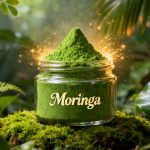


Unlike caffeinated stimulants, Moringa oleifera—the drumstick tree, “murunga,” or මුරුංගා—supports energy through nutrition. Moringa leaves provide:
- Iron for oxygen transport and cellular energy
- B vitamins for mitochondrial metabolism
- Antioxidants to help buffer fatigue‑linked oxidative stress
- Electrolytes like potassium and magnesium for normal nerve and muscle function
- Gentle fiber and amino acids that complement balanced meals
Many people notice steadier daytime focus and fewer mid‑afternoon slumps when moringa is paired with nutrient‑dense meals, hydration, movement, and sleep. Try a morning smoothie with moringa leaf powder, banana, greens, and a protein source for a sustained start. This article is educational and not medical advice.
How Moringa Fuels Natural Energy (Without Caffeine)
- Iron → oxygen delivery: Iron supports hemoglobin and myoglobin, moving oxygen to tissues for aerobic energy. Moringa also contains vitamin C, which can aid non‑heme iron absorption in meals.
- B vitamins → mitochondria: Riboflavin (B2), B6, and folate participate in energy pathways that help convert carbs, fats, and proteins into ATP.
- Antioxidants → fatigue buffering: Vitamin C, vitamin E, carotenoids, and polyphenols (quercetin, chlorogenic acid) help maintain redox balance. Learn more in our guide to antioxidant support against fatigue.
- Electrolytes and minerals: Potassium and magnesium support normal nerve conduction and muscle relaxation—key for clear thinking and comfortable movement.
- Amino acids: Add to the overall protein quality of meals, supporting tissue repair and day‑to‑day recovery.
Together, these nutrients offer non‑stimulant energy that feels steady rather than spiky.
Energy and Mental Clarity: The Brain Connection
- The brain demands a constant flow of oxygen, glucose, and micronutrients. Moringa’s iron, B vitamins, and antioxidants help support:
- Cognitive endurance: Nutritional sufficiency can reduce the sense of “mental fade” in long tasks.
- Neuro-oxidative balance: Polyphenols and vitamins C/E help defend lipids in neural tissues.
- Vascular support: Polyphenols may promote healthy endothelial signaling and blood flow, indirectly supporting focus.
For the nutrient foundations behind energy metabolism, see our article on nutrient density for energy metabolism.
What the Research Suggests
- Preclinical studies: Show that moringa leaf extracts can increase antioxidant capacity and influence cellular energy pathways.
- Early human observations: Small studies and user reports point to perceived improvements in daytime energy and recovery when moringa is added to balanced diets.
- Bottom line: Evidence is promising but preliminary. Moringa is best positioned as a nutrient‑dense food or supplement that complements core habits—not a replacement for sleep, hydration, or medical care.
Practical Ways to Use Moringa for Steady Energy
- Start low, go slow: Begin with 1/2 teaspoon of leaf powder daily; increase to 1–2 teaspoons as tolerated.
- Timed with meals: Mix into breakfast or lunch to support the longest, most productive part of your day.
- Smoothie template (AM focus): Protein (yogurt or plant protein), greens, frozen berries, 1 tsp moringa, 1 tbsp chia, water or milk of choice.
- Lunch “green boost”: Stir 1/2–1 tsp moringa into soups, dals, or grain bowls just before serving.
- Quick desk option: Moringa tea plus a handful of nuts or seeds for protein and healthy fats.
Tip: Pair moringa with protein and healthy fats to promote satiety and smooth energy curves.
Daily Routine for Energy and Clarity
- Morning: Hydration + moringa smoothie + 5–10 minutes of light movement (mobility or a short walk).
- Midday: Balanced plate (protein + colorful veggies + fiber‑rich carbs + healthy fats) with 1/2–1 tsp moringa stirred into dressing or soup.
- Afternoon: 2–5 minutes of breathwork or stretch breaks; moringa tea if desired.
- Evening: Protein + vegetables + legumes/whole grains. Aim for consistent sleep (7–9 hours) to consolidate next‑day energy.
For Active People and Athletes
- Post‑exercise support: Include moringa in a recovery meal or smoothie with protein and carbs to support normal muscle function and replenish nutrients.
- Electrolyte context: Potassium and magnesium contribute to normal muscle and nerve function; they’re not a sports drink replacement, but they complement hydration.
- Program fit: Discuss with a sports dietitian to align moringa intake with training cycles and total iron strategy.
Explore how immune readiness ties into energy and performance in our article on immune resilience and vitality.
Who Might Consider Moringa
- People seeking steady, non‑caffeinated energy support
- Individuals with nutrient gaps from hectic schedules or limited food variety
- Active adults looking to complement recovery nutrition
Who Should Be Cautious
- Medication users: If you take diabetes, blood pressure, or anticoagulant medications, consult your clinician before adding moringa (leaves contain vitamin K and may modestly influence these areas).
- Pregnancy/breastfeeding: Culinary leaf amounts are traditional in some cuisines; avoid supplement‑level doses and avoid root/bark. Seek medical guidance.
- Digestive sensitivity: Large amounts may cause GI discomfort; increase gradually and hydrate.
Quality and Sourcing Tips
- Choose labeled Moringa oleifera leaf from reputable brands with third‑party testing for heavy metals and microbes.
- Prefer gentle drying/low‑heat processing to preserve vitamins and polyphenols.
- Store powder airtight, away from heat and light; use within the suggested window for best potency.
Simple Recipes and Ideas
- Power oats: Overnight oats with Greek yogurt, chia, walnuts, berries, and 1/2–1 tsp moringa.
- Green omelet: Eggs or tofu, tomatoes, onions, spinach; whisk in 1/2 tsp moringa and finish with olive oil.
- Herb dressing: Olive oil, lemon, garlic, herbs, pinch of salt, and 1/2 tsp moringa—drizzle over bowls or fish.
- Recovery shake: Milk of choice, banana, protein powder, cocoa, 1 tsp moringa, pinch of cinnamon.
Related Articles (Internal Links)
- Build the foundation with nutrient density for energy metabolism
- Learn how antioxidants help beat the afternoon slump: antioxidant support against fatigue
- Support your defenses for all‑day vitality: immune resilience and vitality
FAQs
- Is moringa caffeinated?
No. Energy support comes from nutrients (iron, B vitamins, antioxidants), not caffeine—so no jitters. - Can athletes use moringa?
Yes, many use it as part of a nutrient‑dense diet and recovery routine. For individualized plans, discuss with a sports dietitian or clinician. - What’s a typical daily amount?
1–2 teaspoons of leaf powder with meals is common. Start with 1/2 teaspoon to assess tolerance. - When will I notice effects?
Many people feel steadier energy within 1–2 weeks of consistent use alongside sleep, hydration, and balanced meals.
Key Takeaways
- Non‑stimulant energy: Iron, B vitamins, antioxidants, and minerals support steady vitality and mental clarity.
- Food‑first approach: Works best alongside protein, healthy fats, fiber, movement, and sleep.
- Simple integration: Smoothies, soups, teas, or capsules make daily use easy.
- Quality and consistency: Choose tested leaf products and use them regularly for best results.
Last Updated
Wednesday, October 29, 2025 UTC