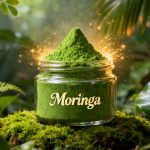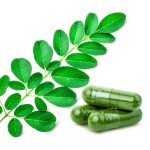

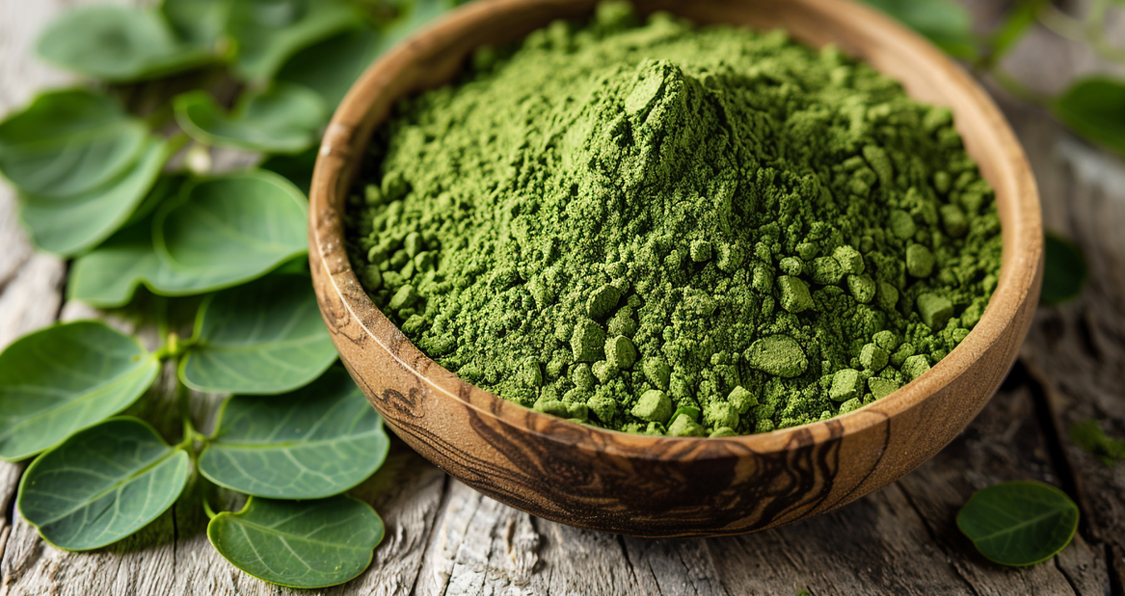
Traditional use and early research suggest that Moringa oleifera—known as the drumstick tree, “murunga,” or මුරුංගා—may help support respiratory wellness. Its leaves contain polyphenols (such as quercetin and chlorogenic acid), vitamins C and E, provitamin A, minerals, and unique isothiocyanates that may contribute to anti-inflammatory and antioxidant activity relevant to airway comfort. A few small studies indicate potential benefits on surrogate markers related to asthma, but larger, well‑controlled human trials are needed.Important: Moringa is not a treatment for asthma or other respiratory diseases. Always continue prescribed inhalers and medications. Consider moringa as a complementary food or supplement with medical guidance. Lifestyle steps—clean indoor air, regular exercise, nasal hygiene, and sleep—also support respiratory comfort.This article is educational and not medical advice.
Respiratory Health 101: Why Inflammation and Oxidative Stress Matter
- Airway inflammation: In asthma and other airway sensitivities, inflammatory mediators can narrow airways and increase mucus, contributing to wheeze, cough, and shortness of breath.
- Oxidative stress: Everyday exposures (pollution, smoke, infections, intense exercise) increase reactive oxygen species (ROS), which can amplify inflammatory signaling in the lungs.
- Barrier integrity: The mucosal lining of the airways is a critical barrier. Nutrients that support epithelial health and antioxidant defenses may help maintain respiratory comfort.
Learn how polyphenols contribute to redox balance in our overview of oxidative balance and the lungs and how inflammation pathways relate to comfort in anti-inflammatory support for airways.
What’s in Moringa That’s Relevant to the Lungs
- Isothiocyanates (e.g., moringin): Plant compounds that may help modulate inflammatory signaling.
- Polyphenols (quercetin, kaempferol; chlorogenic acid): Antioxidant molecules that may help buffer oxidative stress and support endothelial function relevant to circulation.
- Vitamins C and E, plus provitamin A (beta‑carotene): Water‑ and fat‑soluble antioxidants that help protect airway and membrane lipids from peroxidation.
- Minerals (magnesium, potassium): Support normal muscle and nerve function; magnesium is often discussed for smooth muscle relaxation contexts.
- Gentle fiber and amino acids: Support overall nutrition and the gut–lung axis via microbiome signaling.
Together, these bioactives create a broad, food‑based “toolkit” that may support the lungs’ everyday resilience.
How Moringa May Support Respiratory Wellness
- Antioxidant buffering: Polyphenols and vitamins C/E help maintain redox balance in airway tissues exposed to environmental stressors—see oxidative balance and the lungs.
- Inflammation balance: Isothiocyanates and flavonoids may help modulate pro‑inflammatory signaling, which is relevant for airway comfort—more in anti-inflammatory support for airways.
- Barrier and mucus layer support: Vitamin A precursors and vitamin C contribute to epithelial integrity and collagen synthesis, supporting mucosal defenses.
- Circulatory support: Polyphenols can promote healthy endothelial signaling, indirectly supporting oxygen delivery and recovery after exertion.
Evidence remains preliminary; these mechanisms are best considered supportive, not therapeutic.
What the Research Suggests
- Preclinical evidence: Cell and animal studies show moringa leaf extracts can increase antioxidant capacity and modulate inflammatory mediators relevant to airway tissues.
- Early human observations: Small, short‑term studies and traditional reports suggest potential improvements in subjective breathing comfort or surrogate markers when moringa is used alongside standard care. Results vary by dose, form, and population.
- Bottom line: Promising but not definitive. Moringa should complement—not replace—prescribed treatments and core respiratory care routines.
For the immune angle in seasonal wellness, see our guide on immune resilience.
Practical Ways to Use Moringa (Complementary, Not Curative)
- Start low, go slow: Begin with 1/2 teaspoon moringa leaf powder daily; increase to 1–2 teaspoons as tolerated with meals.
- Tea/infusion: Moringa tea with lemon and ginger can be a soothing, routine-friendly option.
- Culinary uses: Stir powder into soups, dals, or veggie stews just before serving; a small amount of healthy fat (olive oil, avocado, coconut milk) aids carotenoid uptake.
- Capsules: Choose reputable brands with third‑party testing; follow label directions.
Consistency over weeks matters more than timing. If you monitor symptoms, keep variables (meals, activity) as consistent as possible.
Lifestyle Foundations for Respiratory Comfort
- Air quality: Avoid smoke exposure; use HEPA filtration if feasible; ventilate kitchens; change HVAC filters regularly; monitor local AQI.
- Nasal hygiene: Saline sprays or rinses may help manage nasal load and post‑nasal drip (ask your clinician about frequency).
- Activity: Regular moderate exercise supports lung capacity and circulation; add walking “movement snacks” after meals.
- Breathing practices: Pursed‑lip and diaphragmatic breathing can support comfort during exertion (learn with a clinician or respiratory therapist).
- Sleep: Prioritize 7–9 hours; elevated head position can ease nighttime symptoms for some.
- Allergen management: Reduce dust/load with regular cleaning, mattress encasements, and pet dander strategies if relevant.
Who Might Consider Moringa
- Adults seeking a food‑based addition to a comprehensive respiratory wellness plan.
- People navigating urban air exposure who want extra antioxidant and nutrient support.
- Individuals working on seasonal wellness who prioritize nutrition, sleep, and stress care.
Who Should Be Cautious
- Medication users: If you take anticoagulants, blood pressure, or diabetes medications, consult your clinician before adding moringa; leaves contain vitamin K and may modestly influence these areas.
- Asthma management: Never replace or reduce controller or rescue meds (e.g., inhaled steroids, bronchodilators) without medical guidance. Keep an asthma action plan current.
- Pregnancy/breastfeeding: Culinary leaf amounts are traditional in some cuisines; avoid supplement‑level doses and avoid root/bark. Seek medical guidance.
- Allergies and GI sensitivity: If you have plant allergies, introduce cautiously. Large doses can cause GI upset—build slowly with hydration.
Quality and Sourcing Tips
- Choose labeled Moringa oleifera leaf from reputable brands with third‑party testing (heavy metals, microbes).
- Prefer gentle drying/low‑heat processing to preserve vitamins and polyphenols.
- Store powder airtight, away from heat and light; use within suggested timeframes for potency.
Simple Respiratory‑Friendly Ideas
- Lemon–ginger moringa tea: Steep moringa leaf tea; add fresh ginger and lemon.
- Green dal soup: Stir in 1 tsp moringa at the end; finish with cilantro and lime.
- Herb yogurt dip: Greek yogurt, garlic, dill, cucumber, 1/2 tsp moringa; serve with veggie sticks or grilled fish.
- Recovery bowl: Brown rice, sautéed greens, chickpeas, olive oil, and 1/2–1 tsp moringa sprinkled over warm veggies.
Tracking and Working With Your Care Team
- Symptom diary: Record cough, wheeze, exertion tolerance, and nighttime symptoms weekly.
- Peak flow (if prescribed): Track morning/evening readings to spot trends.
- Medication adherence: Keep refills current and technique checked by your clinician.
- Check‑ins: Share any supplement changes (including moringa) during appointments.
Related Articles (Internal Links)
- Learn how plant compounds influence airways: anti-inflammatory support for airways
- See how redox balance intersects with lung health: oxidative balance and the lungs
- Build defenses for seasonal shifts: immune resilience
FAQs
- Can moringa replace asthma medicine?
No. Use only as a complement if your clinician agrees. Always continue prescribed controller and rescue medications and follow your asthma action plan. - Best time to take?
Consistency matters more than timing. Many people take moringa with meals. Follow your plan and monitor symptoms. - Is moringa safe for children?
Culinary amounts in food may be acceptable in some households, but discuss any supplement use with a pediatric clinician. - Leaf vs. seed oil for lungs?
Leaf is typically used for nutritional intake. Moringa seed oil is mostly for culinary or topical uses; it’s not studied as a respiratory supplement.
Key Takeaways
- Supportive, not curative: Moringa may offer antioxidant and anti‑inflammatory support relevant to respiratory comfort, but it doesn’t replace standard care.
- Mechanisms align with airway needs: Polyphenols, isothiocyanates, and vitamins C/E/A precursors support redox balance, inflammation balance, and barrier integrity.
- Best results come from a plan: Pair moringa with air‑quality steps, activity, nasal hygiene, sleep, and adherence to prescribed meds.
- Start small and choose quality: 1/2–1 tsp daily, building to 1–2 tsp as tolerated; select third‑party tested leaf products.
Last Updated
Wednesday, October 29, 2025 UTC