
Everyday inflammation can creep up due to stress, poor sleep, ultra‑processed foods, and sedentary habits. Moringa oleifera—known as the drumstick tree, “murunga,” or මුරුංගා—contains a rich matrix of bioactives, including unique isothiocyanates, quercetin, and other polyphenols, that may help modulate inflammatory signaling and oxidative stress. While not a cure for inflammatory conditions, moringa can be a supportive, food‑based ally—especially when paired with omega‑3 fats, turmeric, movement, restorative sleep, and stress care. For background on how antioxidants intersect with inflammation, see our guide to antioxidants and oxidative balance.This article is educational and not medical advice. If you have an inflammatory diagnosis or take prescription medications, consult your clinician before adding moringa.
Why Inflammation Balance Matters
- Acute vs. chronic: Short-term inflammation is part of healthy repair. Ongoing imbalance may stress joints, blood vessels, and tissues.
- Everyday drivers: Refined carbs, excess alcohol, smoking, poor sleep, psychosocial stress, and inactivity can tip the scale toward inflammatory signaling.
- Systems approach: Food, movement, sleep, stress, and environmental exposures all influence the body’s inflammatory set point.
The Anti-Inflammatory Nutrient Matrix in Moringa (මුරුංගා)
Moringa leaves deliver multiple compounds that collectively support inflammation balance:
- Isothiocyanates (e.g., moringin): Plant compounds that may influence cell signaling tied to inflammatory mediators.
- Polyphenols (quercetin, kaempferol): Flavonoids associated with antioxidant activity and modulation of pathways such as NF‑κB.
- Phenolic acids (chlorogenic acid): Linked to support for oxidative balance and metabolic health that indirectly affects inflammation.
- Antioxidant vitamins (C, E) and carotenoids (beta‑carotene): Provide water‑ and fat‑soluble coverage, helping buffer oxidative stress that can amplify inflammatory cascades.
- Minerals and amino acids: Magnesium and essential amino acids support recovery and normal muscle/nerve function around joints.
Together, these bioactives contribute to the “murunga benefits” many people seek for joint and whole‑body comfort.
How Moringa May Help: Mechanisms in Plain Language
- Modulates signaling: Early research suggests moringa compounds may downshift pro‑inflammatory messengers while supporting antioxidant pathways like Nrf2.
- Buffers oxidative stress: Antioxidants can help reduce lipid peroxidation and protect cell membranes—relevant to joint tissues and vascular lining.
- Supports circulation: Polyphenols may promote nitric oxide bioavailability, aiding nutrient delivery to tissues involved in recovery. For more context, see heart and vascular wellness.
- Gut connection: Gentle fiber and polyphenols can support a balanced microbiome, which plays a role in systemic inflammation.
What the Research Suggests
- Preclinical (cell/animal) data: Show moringa leaf extracts can reduce markers of oxidative stress and modulate inflammatory signaling pathways.
- Early human studies: Small, short‑term trials suggest potential improvements in surrogate markers (e.g., oxidative status, subjective discomfort) when moringa is added to diet and lifestyle routines.
- Bottom line: Evidence is promising but preliminary. Use moringa as a complementary, food‑based strategy within a comprehensive plan.
Practical Ways to Use Moringa for Joint and Whole‑Body Comfort
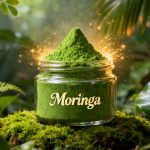
- Daily amount: Start with 1/2 teaspoon moringa leaf powder daily; increase to 1–2 teaspoons as tolerated.
- With meals: Stir into soups, stews, curries, or dressings. A little healthy fat (olive oil, avocado, coconut milk) can aid carotenoid absorption.
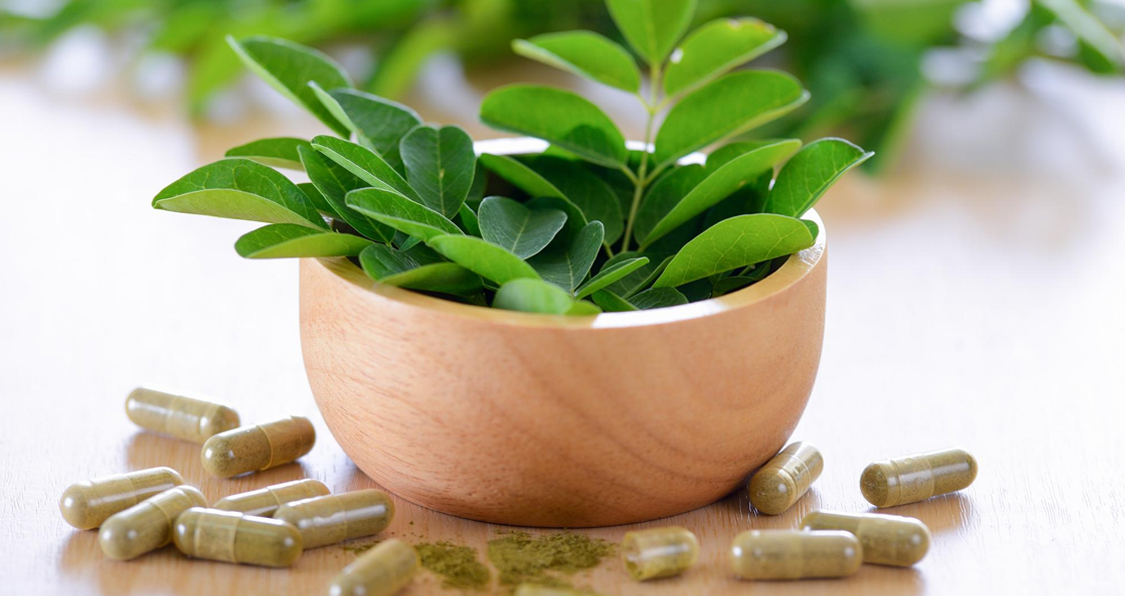
- Tea or capsules: Moringa tea offers a gentle ritual; capsules provide convenience—follow reputable label directions.
- Timing for activity: Many people take moringa with a post‑exercise meal to support normal recovery and “energy and recovery support” routines—learn more here: energy and recovery support.
Smart “Inflammation-Balance” Stack
- Moringa + omega‑3s: Fatty fish or algae‑based DHA/EPA support joint comfort and vascular health.
- Moringa + turmeric (curcumin): Different pathways; many find them complementary.
- Moringa + movement: Low‑impact mobility, walking, yoga, or cycling increase circulation and synovial joint nutrition.
- Moringa + sleep/stress care: 7–9 hours of sleep and brief daily relaxation practices help recalibrate inflammatory tone.
Sample Daily Routine (Food-First)
- Breakfast: Oats with walnuts, berries, cinnamon, and 1/2–1 tsp moringa mixed in.
- Lunch: Lentil‑veggie bowl with olive oil–lemon–moringa dressing; side of leafy greens.
- Snack: Moringa tea with a handful of pumpkin seeds.
- Dinner: Salmon or chickpeas with turmeric‑spiced cauliflower and a moringa‑herb yogurt sauce.
Who Might Consider Moringa
- People with desk‑bound days, high stress, or intense training loads seeking gentle, food‑based support.
- Adults looking to complement joint comfort routines that already include movement and nutrient‑dense meals.
- Those exploring plant‑based “heart and vascular wellness” strategies.
Safety, Interactions, and Quality Tips
- Medications: If you take anticoagulants, antihypertensives, or diabetes medications, consult your clinician. Moringa leaves contain vitamin K and may modestly influence these areas.
- Pregnancy/breastfeeding: Culinary leaf amounts are traditional in some cuisines; avoid supplement‑level doses and avoid root/bark. Seek medical guidance.
- Digestive tolerance: Large doses can cause GI upset; increase gradually and hydrate well.
- Quality matters: Choose Moringa oleifera leaf from reputable, third‑party tested brands (heavy metals, microbes). Store airtight, away from heat and light.
How to Track Your Progress
- Subjective: Note morning stiffness, post‑activity comfort, and ease of daily movement over 2–4 weeks.
- Lifestyle diary: Record sleep, stress, movement, and meals to spot helpful patterns.
- Professional guidance: If you have an inflammatory condition, coordinate changes with your healthcare team.
Related Articles (Internal Links)
- Learn how antioxidants interface with inflammation: antioxidants and oxidative balance
- See how nutrition supports vitality after activity: energy and recovery support
- Explore circulation’s role in tissue comfort: heart and vascular wellness
FAQs
- Is moringa better than turmeric for inflammation?
They act via different compounds and pathways and can be complementary. Many people pair moringa (isothiocyanates, polyphenols) with turmeric (curcuminoids) plus omega‑3 fats and movement. - How long until I notice effects?
Some people report benefits within 2–4 weeks of daily use alongside sleep, stress care, and activity. Consistency and overall lifestyle matter. - What form is best—powder, tea, or capsules?
The best form is the one you’ll use consistently. Powders are versatile in food; tea is gentle and ritual‑friendly; capsules are convenient for travel.
Key Takeaways
- Multi‑pathway support: Isothiocyanates, quercetin, and chlorogenic acid may help modulate inflammatory signaling and oxidative stress.
- Joint and whole‑body relevance: Nutrient density plus antioxidants can support comfort and recovery.
- Works best in context: Pair moringa with omega‑3s, turmeric, movement, restorative sleep, and stress care.
- Start low, go slow: Build to 1–2 tsp daily as tolerated; consult your clinician if on medications.
Last Updated
Wednesday, October 29, 2025 UTC