
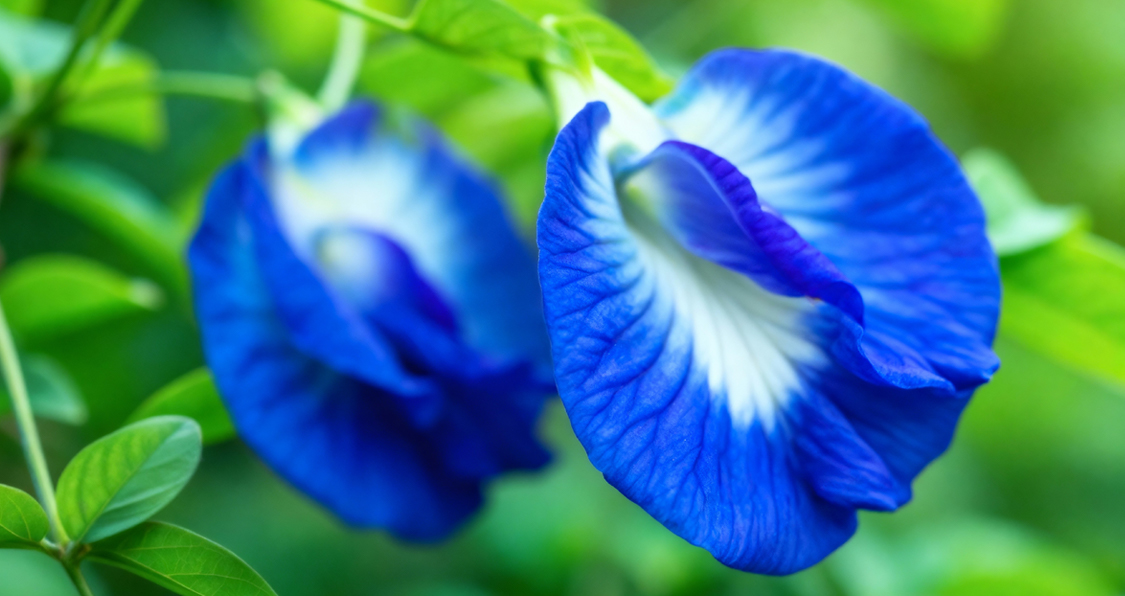
Blue Pea Flower (Clitoria ternatea)—Nil Katorolu—brews a naturally caffeine‑free herbal tea that slips neatly into a gut‑friendly routine. While it isn’t a high‑fibre herb, its polyphenols can complement habits centred on diverse plant fibres, fermented foods, steady hydration and calm mealtimes. Across traditional and modern guidance, digestive tea rituals are encouraged to support comfort and rhythm—Ayurvedic routines (dinacharya), for example, often include a simple digestive tea around seasonal shifts. Classic blends such as CCF (cumin, coriander and fennel) are brewed specifically to encourage digestion, while contemporary gut guides echo similar practices: a daily cup of herbal tea, taken mid‑morning or after dinner, plus 1–3 minutes of relaxed belly breathing.
This article is educational and not medical advice.
Why Gentle Tea Rituals Help the Gut
- Hydration supports regularity and overall digestive ease; herbal teas meaningfully contribute to fluid intake.
- Many herbal teas provide antioxidants and polyphenols, commonly highlighted for soothing digestive comfort and supporting enzyme activity in everyday gut guides.
- The ritual matters. Brewing and sipping a gut‑friendly tea is a simple self‑care cue that helps the body settle into a comfortable rhythm.
- Time‑tested options include Ayurvedic CCF tea (cumin, coriander, fennel), used to encourage digestion and gentle cleansing.
Where Blue Pea Flower Fits
- Blue Pea Flower adds polyphenols without caffeine, making it easy to enjoy in the morning, afternoon or evening—useful when building a calm digestive cadence.
- It pairs naturally with routines many gut guides encourage: a warm cup mid‑morning or after meals, mindful breathing, and a short walk to aid post‑meal comfort.
- It complements (rather than replaces) classic digestive herbs such as peppermint, ginger, chamomile and fennel frequently recommended for gut ease.
To understand the wider role of plant compounds in day‑to‑day redox management, read our primer on polyphenols and antioxidant balance.
The Gut–Brain Angle
Stress and digestion are intertwined. Many gut‑focused routines recommend pausing for 1–3 minutes of deep, relaxed belly breathing a few times daily and making space for a comforting cup of herbal tea mid‑morning or after dinner. The act of brewing and sipping is also a gentle self‑care signal that can support a calmer system. If tension often shows up in your stomach, explore our guide to stress and the gut–brain axis.
Practical Ways to Use Blue Pea Flower for Digestion
- Brew warm: Steep 1–2 teaspoons of dried flowers in hot water for 5–7 minutes; strain.
- Cold‑brew: 6–12 hours in cool water for a smoother profile and deep colour.
- When to sip: Mid‑morning, after meals, or as an evening wind‑down—timings widely suggested in gentle gut routines.
- Colour twist: Add lemon or lime; the infusion shifts from blue to purple—a flavour‑brightening flourish many enjoy.
- Start simple: Begin with 1 cup daily; observe how you feel, then adjust.
Hot or cold both work—cold‑brews are smooth and richly coloured, making them easy to sip in warmer weather.
Build a Microbiome‑Friendly Plate Around Your Tea
- Fibre diversity: A balanced diet rich in fibre and fluids is a cornerstone of a happy gut; rotate vegetables, fruits, legumes, whole grains, nuts, seeds and herbs to support regularity and comfort.
- Fermented foods: Yoghurt, kefir, sauerkraut, kimchi, miso and tempeh are commonly recommended to add live cultures that complement tea‑time habits.
- Gentle spices and herbs: Many guides suggest ginger, fennel and chamomile after meals; Blue Pea Flower can sit alongside these classics as a colourful, caffeine‑free option.
For everyday stamina to keep up good habits, see our practical guide to healthy ageing and daily vitality.
Small Daily Rituals That Add Up
- After‑meal tea + walk: Pair a warm cup with a 10–15‑minute stroll—simple, often‑recommended steps for digestive comfort.
- Breathing breaks: Pause for 1–3 minutes of belly breathing two to three times a day to cue calm in the gut–brain loop.
- Screen‑free meals: Slow chewing and a little focus at the table are frequent themes in gut‑friendly advice.
- Steady fluids: Keep sipping water and herbal teas to maintain hydration—a basic that supports regularity.
Who Might Consider Nil Katorolu for Digestion
- Anyone wanting a gentle, caffeine‑free tea to sit within a gut‑care routine.
- Those building a daily rhythm of hydration, plant diversity, fermented foods and calm mealtimes.
- People who already enjoy classic digestive herbs and want a colourful complement.
Blue Pea Flower is supportive, not curative. For persistent symptoms, speak with a clinician.
Safety and Sensible Use
- Generally well‑tolerated in culinary amounts. If you’re pregnant, breastfeeding, on medication or preparing for a procedure, seek medical guidance first.
- Start with 1 cup daily and observe. Large amounts of any new herbal tea can feel unfamiliar initially.
- For soothing needs, demulcent herbs (e.g., slippery elm) are traditionally used to moisten and calm digestive tissues—best discussed with an herbalist or clinician.
Product CTA
Add a calm, colourful ritual to your gut‑friendly day.
Shop Nil Katorolu Tea
Related Articles
- Foundations for cellular balance: polyphenols and antioxidant balance
- Settle the system: stress and the gut–brain axis
- Everyday stamina: healthy ageing and daily vitality
FAQs
- Can it upset my stomach?
Uncommon in culinary amounts; begin with 1 cup daily and observe—tea rituals are widely recommended in gentle gut routines. - Hot or cold?
Both. Tea supports hydration either way; cold‑brews are smooth and deeply coloured, which many people enjoy. - Should I switch from classic digestive herbs?
Not necessary. Peppermint, ginger, chamomile and fennel are often suggested after meals; Blue Pea Flower simply complements those choices as a caffeine‑free option. - When should I drink it for best effect?
Mid‑morning, after dinner, or any time it helps you slow down—popular gut guides suggest exactly these moments, often alongside a short breathing pause.
Key Takeaways
- A daily tea habit supports hydration and calm—cornerstones of digestive comfort.
- Traditional and modern sources alike encourage digestive teas as part of everyday routine; CCF tea is a classic Ayurvedic example.
- Polyphenol‑rich patterns, diverse fibres, fermented foods and steady fluids remain the backbone of a microbiome‑friendly lifestyle.
- Keep it simple: one cup, a short walk, relaxed breathing—small rituals your gut can rely on.