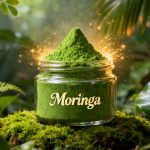

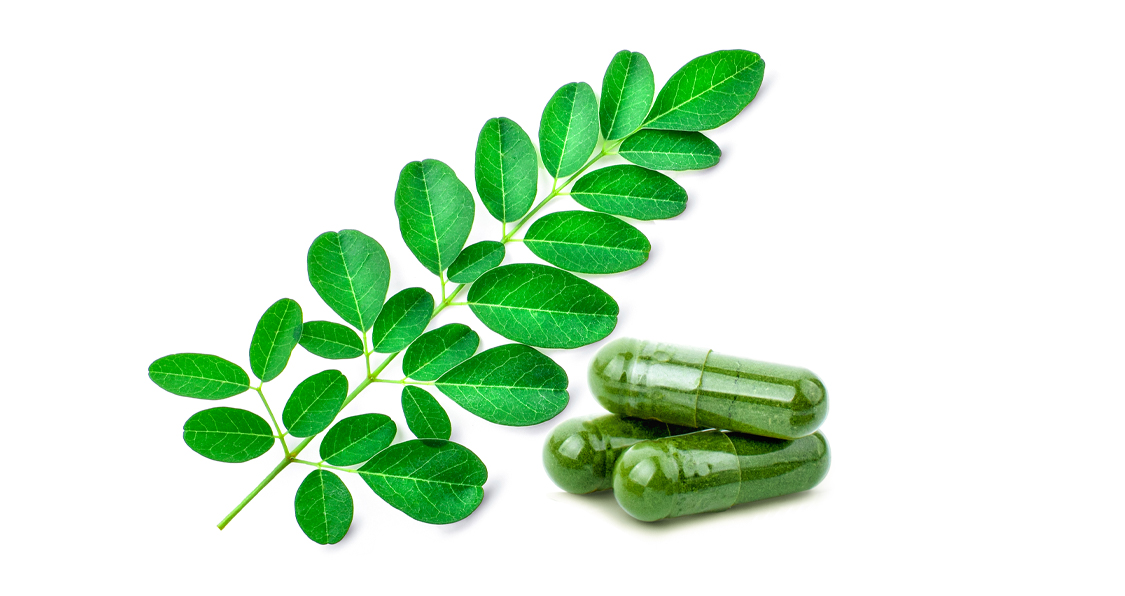
Moringa oleifera—also called the drumstick tree, “murunga,” or මුරුංගා—is valued for its nutrient-dense leaves that deliver vitamin C, vitamin A precursors (beta‑carotene), vitamin E, B vitamins, iron, amino acids, fiber, and polyphenol antioxidants. This nutrition profile can help support immune cell function, barrier integrity (skin and mucosa), and everyday resilience against environmental stressors. While moringa is not a cure for infections, it can complement a nutrient-dense diet, quality sleep, hydration, and stress management to keep you steady through seasonal shifts. Many families enjoy moringa tea or sprinkle leaf powder into soups for a gentle daily lift.This content is educational and not medical advice.
Immune Balance 101: Barriers, Innate, and Adaptive Defense
- Barriers (skin, gut, airways): Healthy epithelial layers and mucus form the body’s first line of defense. Nutrients like vitamins A and C support barrier structure and function.
- Innate immunity: Fast responders (neutrophils, macrophages) rely on adequate micronutrients and oxidative balance to function efficiently.
- Adaptive immunity: T and B cells need amino acids, iron, B vitamins, and antioxidant support for proliferation, signaling, and antibody formation.
Keeping these layers nourished and in redox balance underpins “everyday immune readiness.”
What’s Inside Moringa That Supports Immunity
- Vitamin C (water‑soluble antioxidant): Supports immune cell function, collagen formation for barriers, and helps recycle vitamin E.
- Provitamin A (beta‑carotene) and vitamin E: Fat‑soluble antioxidants that help protect membranes and support epithelial integrity.
- B vitamins + iron: Contribute to energy metabolism and oxygen delivery that immune cells require during activation.
- Polyphenols (quercetin, chlorogenic acid): Add “antioxidants for defense” against everyday oxidative stressors that can affect immune efficiency.
- Gentle fiber: Supports a balanced gut microbiome, which in turn influences systemic immune tone.
Explore the broader micronutrient foundation in our guide to vitamins and minerals for immune cells.
How Moringa May Help Maintain Immune Readiness
- Antioxidant support of immune function: Polyphenols and vitamins C/E help maintain redox balance during normal immune responses, limiting unnecessary oxidative wear-and-tear. Learn more about antioxidants for defense.
- Barrier integrity: Provitamin A and vitamin C support the structure of skin and mucosal linings—key gates for seasonal wellness.
- Metabolic and energy support: Iron and B vitamins fuel cellular metabolism, helping immune cells meet energetic demands. For a lifestyle view, see energy and vitality for daily wellness.
- Gut–immune axis: Fiber and polyphenols can encourage beneficial bacteria and short‑chain fatty acid production, which helps modulate immune tone.
Early research is promising but preliminary. Moringa is best used as a food‑based complement to core healthy habits.
Practical Ways to Use Moringa for Immune Support
- Start low, go slow: Begin with 1/2 teaspoon moringa leaf powder daily; increase to 1–2 teaspoons as tolerated.
- Tea or infusion: A mug of moringa tea with lemon is a soothing daily ritual.
- Soups and stews: Stir in moringa at the end of cooking to preserve heat‑sensitive nutrients.
- Smoothies and dressings: Blend 1/2–1 tsp into a morning smoothie or whisk into a lemon‑olive‑oil dressing.
- Pair smartly: Include a little healthy fat (olive oil, avocado, tahini) to aid carotenoid uptake; citrus can complement iron absorption.
Consistency matters more than any single serving.
A Seasonal Wellness Routine Featuring Moringa
- Daily foundation: Colorful produce, quality protein, whole‑grain or legume fibers, and healthy fats.
- Hydration habit: Set a simple water goal; herbal teas like moringa count toward fluids.
- Movement “snacks”: Short walks or mobility breaks support circulation and mood.
- Sleep rhythm: Aim for 7–9 hours; even slight improvements can bolster immune resilience.
- Air quality + hygiene: Fresh air when possible, clean indoor filters, handwashing, and routine surface care.
Moringa slots into this routine as a consistent, nutrient‑dense add‑on.
Who Might Consider Moringa
- Families seeking a simple way to add everyday immune nutrition to meals.
- Busy professionals or students wanting a non‑caffeinated, food‑first nudge toward steady vitality.
- Plant‑forward eaters looking to round out vitamins, minerals, and amino acids.
Who Should Be Cautious
- Medication users: If you take anticoagulants, diabetes, or blood pressure medications, consult your clinician. Moringa leaves contain vitamin K and may modestly influence these areas.
- Pregnancy/breastfeeding: Culinary leaf amounts are traditional in some cuisines; avoid supplement‑level doses and avoid root/bark. Seek medical guidance.
- Autoimmune or immunosuppressed: Discuss moringa with your healthcare team for personalized advice.
- Digestive sensitivity: Large amounts can cause GI discomfort—introduce gradually and hydrate.
Quality and Sourcing Tips
- Choose Moringa oleifera leaf from reputable brands with third‑party testing (heavy metals, microbes).
- Prefer gentle drying/low‑heat processing to preserve vitamins and polyphenols.
- Store powder airtight, away from heat and light. Use within the suggested window for best potency.
Simple, Immune-Friendly Ideas
- Lemon–moringa tea: Moringa tea with a squeeze of lemon and a slice of ginger.
- Green dal soup: Stir 1 tsp moringa into lentil soup just before serving; finish with lime and cilantro.
- Lunch bowl boost: Add 1/2–1 tsp moringa to a yogurt or tahini dressing and drizzle over a veggie–legume bowl.
- Smoothie starter: Yogurt or plant protein, spinach, frozen berries, 1 tsp moringa, chia, and water or milk of choice.
Related Articles (Internal Links)
- Build your micronutrient base: vitamins and minerals for immune cells
- Learn how polyphenols defend your cells: antioxidants for defense
- See how daily vitality supports resilience: energy and vitality for daily wellness
FAQs
- Can children use moringa?
Culinary amounts (as part of meals) are common in some cuisines. For supplements or higher intakes, speak with a pediatric clinician. - Better in tea or powder?
Both are fine—choose the form you’ll use consistently. Tea is gentle and ritual‑friendly; powder is versatile in food; capsules are convenient for travel.
Key Takeaways
- Nutrient-dense support: Vitamins C and A precursors, vitamin E, B vitamins, iron, amino acids, fiber, and polyphenols help maintain everyday immune readiness.
- Antioxidant synergy: Moringa’s polyphenols and vitamins contribute “antioxidants for defense,” supporting balanced immune activity.
- Best in context: Pair moringa with sleep, hydration, movement, and stress care for meaningful seasonal wellness benefits.
- Start small and be consistent: 1/2–1 tsp daily, building to 1–2 tsp as tolerated.
Last Updated
Wednesday, October 29, 2025 UTC