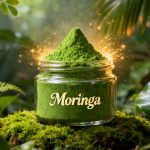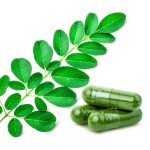

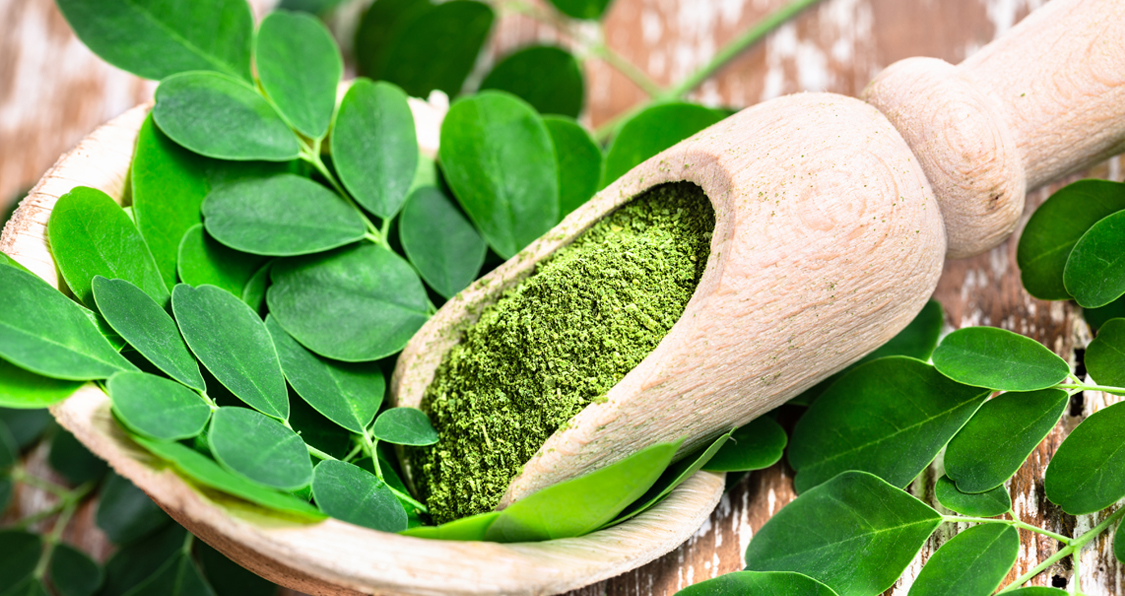
Moringa oleifera—also called the drumstick tree, “murunga,” or මුරුංගා—is celebrated for its dense nutrient profile. The tender leaves contain a broad spectrum of vitamins (provitamin A, C, E, and B vitamins), minerals (calcium, potassium, magnesium, iron), and essential amino acids, plus gentle fiber and protective polyphenols. This combination supports everyday needs like energy metabolism, immune defense, tissue repair, and oxidative balance. In cuisines where murunga is traditional, both leaves and pods are cooked into curries and soups. For daily convenience, moringa leaf powder blends into smoothies and savory dishes, while teas and capsules help with on‑the‑go use.This article is educational and not medical advice.
What Makes Moringa Nutrient-Dense
- Vitamin A (as beta‑carotene): Supports vision, skin integrity, and immune function. Carotenoids act as fat‑soluble antioxidants that protect cell membranes.
- Vitamin C: A water‑soluble antioxidant involved in collagen formation (skin, joints, vessels) and immune cell function.
- Vitamin E: Works with vitamin C to protect lipids from oxidation and support cellular resilience.
- B Vitamins (B2, B6, folate, etc.): Help convert food into energy, support red blood cell formation, and participate in nervous system health.
- Minerals for daily balance:
- Calcium: Structural support for bones and teeth; also involved in nerve signaling.
- Potassium: Helps maintain normal blood pressure and fluid balance.
- Magnesium: Critical for muscle relaxation, nerve function, and energy metabolism.
- Iron: Supports oxygen transport and energy; moringa’s vitamin C content can aid non‑heme iron absorption.
- Gentle fiber: Contributes to fullness, regularity, and a healthy gut environment—see our guide to fiber in fiber and digestion.
- Phytonutrients: Flavonoids (quercetin, kaempferol) and phenolic acids (chlorogenic acid) add antioxidant support that complements vitamins and minerals.
Together, these “murunga nutrients” create a versatile, food‑first foundation for daily wellness.
Amino Acids and Plant Protein in Moringa
Moringa leaf contains a modest amount of plant protein with many essential amino acids. While it’s not typically used as a sole protein source, it’s an excellent “booster” that:
- Rounds out meals that rely on legumes, grains, or vegetables.
- Supports tissue repair and metabolic pathways alongside complete protein sources (dairy, soy, eggs, or complementary plant combos like beans + grains).
- Pairs well with nuts, seeds, and yogurt in smoothies for a nutrient‑dense start to the day.
Tip: Distribute protein across meals (e.g., 15–30 g per meal) and use moringa to enhance overall amino acid diversity.
Bioavailability and Pairing Tips
- Add a little fat: Carotenoids (provitamin A) and vitamin E are fat‑soluble. Pair moringa with avocado, olive oil, tahini, or coconut milk to enhance absorption.
- Leverage vitamin C: Moringa already contains vitamin C, but adding citrus, bell pepper, or berries can further support iron uptake in plant‑forward meals.
- Gentle heat, smart timing: Stir moringa powder into warm dishes at the end of cooking to help preserve heat‑sensitive vitamins, or enjoy it in room‑temp smoothies and dressings.
- Consistency beats intensity: Small, daily amounts are more practical than sporadic large doses.
Forms: Fresh Leaves vs. Powder vs. Tea vs. Capsules
- Fresh leaves: Excellent in stir‑fries, omelets, stews, and curries; common in traditional murunga dishes with coconut and spices.
- Powder: Most versatile for daily use; blends into smoothies, yogurt, oatmeal, soups, and salad dressings.
- Tea/infusion: A gentle way to enjoy moringa’s phytonutrients and create a daily ritual.
- Capsules: Helpful for travel or precise dosing; choose reputable, third‑party tested brands.
FAQ preview: Fresh leaves or powder? Both are great—powder offers consistent dosing and shelf stability.
How Moringa’s Nutrients Translate Into Daily Benefits
- Energy metabolism: B vitamins, iron, and magnesium help convert food into usable energy without caffeine—learn more in our article on natural energy support.
- Immune readiness: Vitamins A and C, plus amino acids and antioxidants, support barrier integrity and immune cell function—explore our guide to immune health.
- Skin, joints, and vessels: Vitamin C supports collagen formation; vitamins E and carotenoids provide antioxidant protection to lipid membranes.
- Hydration and electrolyte balance: Potassium and magnesium contribute to normal muscle and nerve function, useful for daily activity and recovery.
- Gut synergy: Fiber and polyphenols support a balanced microbiome, which influences digestion, immunity, and inflammation—see fiber and digestion.
Practical Ways to Add Moringa Every Day
- Green breakfast smoothie: Unsweetened yogurt or plant protein, leafy greens, frozen berries, 1 tsp moringa, chia, and water or milk of choice.
- Savory omelet or tofu scramble: Tomatoes, onions, greens; whisk in 1/2 tsp moringa and finish with olive oil.
- Lentil or coconut dal: Stir 1 tsp moringa powder in just before serving; garnish with lime and cilantro.
- Herby dressing or pesto: Blend olive oil, lemon, garlic, nuts/seeds, herbs, and 1/2 tsp moringa; drizzle over grain bowls or fish.
- Tea time: Moringa tea with a slice of lemon; pair with a handful of nuts for sustained energy.
Typical culinary use: Start with 1/2 teaspoon daily, building to 1–2 teaspoons as tolerated.
Who Might Consider Moringa
- Busy professionals and students: For nutrient density that supports focus and steady energy.
- Plant‑forward eaters: As a vitamin, mineral, and amino‑acid booster in vegetarian or vegan meals.
- Active individuals: For recovery nutrition and electrolytes that support normal muscle function.
- Adults seeking graceful aging: Antioxidants and collagen cofactors support skin, joint, and vascular wellness.
Safety, Interactions, and Quality Notes
- Medications: If you use anticoagulants, antihypertensives, or diabetes medications, consult your clinician. Moringa leaves contain vitamin K and may modestly influence these areas.
- Pregnancy/breastfeeding: Culinary leaf amounts are traditional in some cuisines; avoid supplement‑level doses and avoid root/bark. Seek medical guidance.
- Digestive tolerance: Large amounts can cause GI discomfort. Increase gradually and hydrate.
- Quality matters: Choose Moringa oleifera leaf from reputable brands with third‑party testing (heavy metals, microbes). Store airtight, away from heat and light to protect sensitive nutrients.
One-Day “Nutrient-Dense” Sample Menu
- Breakfast: Berry–moringa smoothie with yogurt, chia, spinach, and flax.
- Lunch: Chickpea–quinoa bowl with mixed veggies, avocado, and a lemon–moringa dressing.
- Snack: Moringa tea + almonds and an orange.
- Dinner: Turmeric‑spiced cauliflower, dal with drumstick pods (murunga), and a cucumber–herb salad; stir 1 tsp moringa into the dal before serving.
Related Articles (Internal Links)
- Explore how moringa supports steady vitality: natural energy support
- See how vitamins and antioxidants contribute to resilience: immune health
- Learn why fiber matters for gut and glucose: fiber and digestion
FAQs
- Is moringa a complete protein?
Moringa contains many essential amino acids, but it’s typically used as a protein booster rather than a sole protein source. Combine with legumes, soy, dairy, eggs, or complementary plant proteins for balance. - Fresh leaves or powder?
Both work well. Fresh leaves shine in cooked dishes; powder offers consistent dosing, shelf stability, and easy blending into foods and drinks. - How much should I take daily?
Many people use 1–2 teaspoons of leaf powder daily with meals. Start with 1/2 teaspoon to assess tolerance. - Does cooking reduce nutrients?
Heat can reduce some heat‑sensitive vitamins (like C). Add powder toward the end of cooking, and balance cooked dishes with raw or gently heated options.
Key Takeaways
- Broad micronutrient coverage: Provitamin A, vitamins C and E, B vitamins, calcium, potassium, magnesium, and iron.
- Amino‑acid support: Adds plant protein diversity to meals.
- Daily practicality: Powder, tea, or fresh leaves integrate easily into sweet or savory dishes.
- Best in context: Pair with whole‑food meals, movement, sleep, and stress care for meaningful benefits.
Last Updated
Wednesday, October 29, 2025 UTC