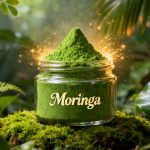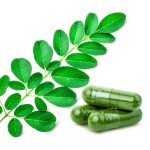

Moringa oleifera—also known as the drumstick tree, “murunga,” or මුරුංගා—is a nutrient-dense leaf rich in polyphenols, vitamins, minerals, and gentle fiber. Preliminary research suggests moringa may support healthy lipid profiles (including LDL cholesterol), endothelial function, and blood pressure balance through multiple pathways: antioxidant activity, anti-inflammatory support, bile acid binding, and micronutrient contributions (notably potassium and magnesium). When paired with a heart-smart lifestyle—more plants, regular movement, restorative sleep, and stress care—moringa can be a practical daily addition. If you use statins, blood pressure medications, or anticoagulants, consult your clinician for potential interactions.
Why Cholesterol and Lipid Balance Matter
- “Cholesterol” refers to several lipoproteins. Keeping LDL in a healthy range and supporting HDL functionality helps maintain vascular health.
- Oxidized LDL is particularly problematic; it’s more likely to contribute to plaque formation. Supporting antioxidant defenses helps limit this process—see how antioxidants reduce LDL oxidation.
- Triglycerides and post-meal lipids also matter; dietary pattern, fiber, and activity are key levers.
How Moringa May Support Heart Health
Moringa’s cardiovascular relevance comes from a synergy of nutrients and phytochemicals:
- Antioxidant polyphenols (quercetin, chlorogenic acid): Help neutralize free radicals and may reduce lipid peroxidation, relevant for LDL stability and endothelial comfort.
- Isothiocyanates: Unique to moringa, they may influence cellular signaling tied to oxidative and inflammatory balance, indirectly supporting vascular health and smooth blood flow.
- Gentle fiber: Contributes to bile acid binding in the gut, a pathway associated with small LDL-lowering effects when consumed consistently with meals.
- Micronutrients for blood pressure: Potassium and magnesium support normal vascular tone and electrolyte balance; adequate intake is associated with healthy blood pressure.
- Vitamin matrix: Vitamins C, E, and provitamin A add layered antioxidant coverage across water- and fat-soluble compartments of the body.
- Endothelial support: Polyphenols may promote nitric oxide bioavailability, aiding healthy vasodilation and circulation.
Together, these factors position moringa as a food-based ally for lipid and vascular wellness.
What the Research Suggests
- Laboratory and animal studies generally report improved antioxidant status, lower markers of lipid peroxidation, and favorable shifts in lipid profiles (e.g., lower LDL or triglycerides) with moringa leaf extracts.
- Early human studies (small, short-duration) have observed modest improvements in total cholesterol, LDL, and/or triglycerides when moringa leaf is added to diet and lifestyle changes. Findings vary by dose, duration, and population.
- Blood pressure: Limited preliminary data suggest potential support for healthy blood pressure, likely via potassium/magnesium content, antioxidant effects, and endothelial signaling.
- Bottom line: Evidence is promising but preliminary. Treat moringa as a complementary food or supplement within a heart-smart plan—not as a standalone therapy.
For the glucose–heart connection, see our article on glucose and cardiometabolic health. For inflammation’s role in vascular wellness, explore anti-inflammatory pathways.
Practical Ways to Use Moringa for Lipid and Blood Pressure Support
- Daily amount: Many people use 1–2 teaspoons of moringa leaf powder per day with meals. Start with 1/2 teaspoon to assess tolerance.
- With meals containing fat: Add moringa to curries, soups, stews, or dressings. A bit of healthy fat (olive oil, avocado, coconut milk) can aid carotenoid uptake.
- Tea or capsules: Moringa tea offers a gentle, daily ritual; capsules can help with consistent dosing—follow reputable brand guidance.
- Portfolio-style plate: Combine moringa with heart-smart staples—nuts/seeds, viscous fibers (oats, barley, legumes), soy or other plant proteins, colorful produce, and olive oil.
- Movement: Even 10–15 minutes of walking after meals supports postprandial lipids and glucose, complementing moringa’s food-based effects.
- Sleep and stress care: Aim for 7–9 hours and simple daily stress resets; both influence blood pressure and lipid metabolism.
Who Might Consider Moringa
- Adults seeking gentle, daily support for LDL and triglyceride balance.
- People building a cardiometabolic routine focused on plants, movement, and restorative habits.
- Individuals sensitive to caffeine who want non-stimulant, nutrient-led support.
Safety, Interactions, and Quality Tips
- Medications: If you use statins, antihypertensives, diabetes medications, or anticoagulants (especially warfarin), talk to your clinician. Moringa leaves contain vitamin K and may modestly affect medication needs.
- Pregnancy/breastfeeding: Culinary leaf use is common in some cuisines, but avoid supplement-level doses and avoid root/bark. Seek medical guidance.
- Digestive tolerance: Large amounts may cause GI upset. Increase gradually and drink water.
- Quality: Choose Moringa oleifera leaf from reputable, third-party tested brands (heavy metals, microbes), ideally organic. Store airtight, away from heat and light.
This article is educational and not medical advice.
Sample Heart-Smart Ways to Add Moringa
- Green dal or lentil soup: Stir in 1 tsp moringa at the end to preserve antioxidants.
- Avocado–herb dressing: Blend olive oil, lemon, garlic, cilantro, and 1/2 tsp moringa; drizzle over salmon or chickpea salads.
- Breakfast bowl: Oats + chia + walnuts + berries + 1/2–1 tsp moringa mixed in.
- Savory omelet: Tomatoes, onions, leafy greens, and a sprinkle of moringa for a nutrient-dense start.
How Moringa Fits with the Bigger Picture
- Antioxidants help maintain LDL stability—learn more about how antioxidants reduce LDL oxidation.
- Metabolic harmony supports heart outcomes—see glucose and cardiometabolic health.
- Inflammation and vascular tone are linked—explore anti-inflammatory pathways.
FAQs
- How much moringa for heart health?
Many people use 1–2 teaspoons of leaf powder daily with meals. Standardized extract doses vary by brand—follow label guidance and your clinician’s advice. - Can moringa thin blood?
Data are limited. Because moringa leaves contain vitamin K and may interact with anticoagulants, use caution and speak to your clinician before starting.
Key Takeaways
- Multi-pathway support: Antioxidants, fiber, potassium/magnesium, and polyphenols give moringa broad cardiovascular relevance.
- Cholesterol and beyond: May support healthy LDL, triglycerides, endothelial function, and blood pressure within a heart-smart lifestyle.
- Complement, don’t replace: Keep prescribed therapies and core habits; use moringa as a daily, food-based addition.
- Quality and consistency: Choose tested leaf products and use them consistently with meals for best results.
Related Articles (Internal Links)
- Learn how antioxidants reduce LDL oxidation
- Explore glucose and cardiometabolic health
- Understand anti-inflammatory pathways
Last Updated
Wednesday, October 29, 2025 UTC