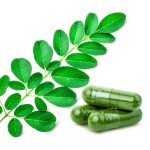

Moringa oleifera—also known as the drumstick tree, “murunga,” or මුරුංගා—is renowned for its nutrient-dense leaves and rich antioxidant profile. Moringa leaves deliver polyphenols like quercetin and chlorogenic acid, plus antioxidant vitamins (beta-carotene/provitamin A, vitamin C, and vitamin E). Together, these compounds help neutralize free radicals and support oxidative balance, buffering everyday stressors from diet, environment, and intense activity. Early evidence from lab, animal, and small human studies suggests moringa leaf preparations can enhance total antioxidant capacity and favorable oxidative markers when combined with healthy lifestyle habits. Adding moringa powder to smoothies or tea is a simple way to boost daily antioxidant intake.
What Is Oxidative Stress—and Why Balance Matters
- Oxidative stress occurs when reactive oxygen species (ROS) outpace your body’s antioxidant defenses. Sources include normal metabolism, strenuous exercise, pollution, UV exposure, and ultra-processed foods.
- Your body maintains oxidative balance with internal enzymes (SOD, catalase, glutathione peroxidase) and dietary antioxidants.
- Persistent imbalance can impact cellular lipids, proteins, and DNA, influencing how we feel day-to-day and how we age over time. Supporting antioxidant defenses is one pillar of whole‑body wellness.
The Antioxidant All‑Stars in Moringa (මුරුංගා)
Moringa leaf packs a diverse spectrum of antioxidants and supportive nutrients:
- Polyphenols (Flavonoids): Especially quercetin and kaempferol, associated with scavenging free radicals and modulating inflammatory pathways.
- Phenolic acids: Notably chlorogenic acid, linked to antioxidant activity and metabolic support.
- Carotenoids: Beta‑carotene (provitamin A) and lutein support eye, skin, and immune health; carotenoids are potent lipid‑phase antioxidants.
- Vitamins C and E: A classic water‑ and fat‑soluble antioxidant duo that work synergistically to help regenerate each other and maintain defenses across tissues.
- Isothiocyanates: Moringa contains unique isothiocyanates that may influence antioxidant signaling and inflammation balance.
- Minerals and amino acids: Nutrients like magnesium and essential amino acids support enzymes and cellular repair.
These bioactives don’t work in isolation—together, they create a broad-spectrum moringa antioxidants matrix that supports resilience across multiple systems.
How Moringa’s Antioxidants Work
- Direct scavenging: Polyphenols and vitamins C/E can neutralize free radicals before they cascade into broader damage.
- Support for endogenous defenses: Preclinical research suggests moringa compounds may influence pathways (e.g., Nrf2) that upregulate internal antioxidant enzymes like SOD and catalase.
- Membrane and lipid protection: Fat‑soluble antioxidants (carotenoids, vitamin E) help limit lipid peroxidation, supporting cell membranes and blood lipids.
- Synergy with inflammation balance: By easing oxidative pressure, moringa’s polyphenols can indirectly support healthy inflammatory signaling—an area explored in anti-inflammatory research.
This multi‑pathway support is why moringa is often described as a “nutrient‑dense superleaf” for oxidative balance.
What the Research Suggests
- In vitro and animal studies consistently show moringa leaf extracts increase total antioxidant capacity and reduce markers of oxidative stress.
- Small human studies (varied designs and doses) report improvements in surrogate markers—for example, shifts in total antioxidant status or reductions in lipid peroxidation byproducts—when moringa is added to diet and lifestyle interventions.
- While results are promising, more large, well‑controlled trials are needed. For now, moringa is best positioned as a food‑based, complementary strategy for maintaining oxidative balance—not a treatment for disease.
Practical Ways to Use Moringa for Antioxidant Support
- Powder in smoothies or yogurt: Start with 1/2 teaspoon daily and work up to 1–2 teaspoons as tolerated.
- Tea or infusions: Steep moringa leaf tea for a gentle daily ritual.
- Culinary use: Add fresh or dried leaves to soups, dals, omelets, or curries for “murunga benefits” in real food.
- Capsules: Helpful for travel or precise dosing; follow label guidance from reputable brands.
- Absorption tips: Pair with a small amount of healthy fat (e.g., avocado, olive oil, coconut milk) to enhance carotenoid uptake, and enjoy alongside vitamin C–rich foods for a complementary boost—moringa itself contains vitamin C as well.
Consistency matters—make moringa part of your everyday routine along with colorful plants, quality protein, movement, sleep, and stress care.
Who Might Consider Moringa
- Active individuals and athletes: To support recovery and normal oxidative responses to training.
- Busy professionals and students: For daily nutritional support that may aid focus and vitality.
- Older adults: For nutrient density and broad antioxidant coverage as part of healthy aging strategies.
- Urban dwellers: To help buffer environmental oxidative stressors (in tandem with air-quality habits).
Safety, Interactions, and Quality Tips
- Typical culinary intake: Many people use 1–2 teaspoons of moringa leaf powder daily. Start low to assess tolerance.
- Potential interactions: If you take medications for blood sugar, blood pressure, or anticoagulation, consult your clinician; moringa may modestly influence these domains.
- Pregnancy and breastfeeding: Culinary amounts of leaves are common in some cuisines, but supplement-level doses, seeds, and root/bark are typically avoided. Seek medical guidance.
- Digestive sensitivity: Large amounts may cause GI upset in some individuals. Increase gradually and stay hydrated.
- Choose quality: Look for third‑party testing (heavy metals, microbes), organic sourcing, the correct species name (Moringa oleifera), and gentle drying methods to preserve nutrients.
This article is educational and not medical advice. Always consult a qualified professional for personal recommendations.
How Moringa Compares to Green Tea and Other Antioxidant Sources
- Green tea and moringa contain different polyphenol families (catechins vs. quercetin/chlorogenic acid). They can be complementary in a diverse, plant‑forward diet.
- Unlike stimulant sources, moringa is a non‑caffeinated way to support antioxidant intake, which may be useful for people sensitive to caffeine.
Related Articles (Internal Links)
- Explore how antioxidant support connects to the heart: supports heart health
- See how antioxidants contribute to steady vitality: natural energy and vitality
- Learn how antioxidants influence beauty from within: healthy skin and hair
FAQs
- Does moringa have more antioxidants than green tea?
Moringa and green tea offer different polyphenols. Rather than “more vs. less,” think “different and complementary.” Many people enjoy both for a broader antioxidant spectrum. - Can I take moringa daily?
Many people use 1–2 teaspoons of leaf powder daily in food or beverages. Start low, increase gradually, and consult your clinician—especially if you use medications for blood sugar, blood pressure, or clotting.
Key Takeaways
- Rich polyphenol profile: Quercetin, chlorogenic acid, and others help buffer oxidative stress.
- Vitamins C, E, and carotenoids: Support antioxidant defenses in water and lipid environments.
- Whole‑body relevance: Antioxidant support connects to heart, energy, skin, and healthy aging.
- Best as a daily habit: Combine moringa with a nutrient‑dense diet, movement, sleep, and stress care.
Last Updated
Wednesday, October 29, 2025 UTC