
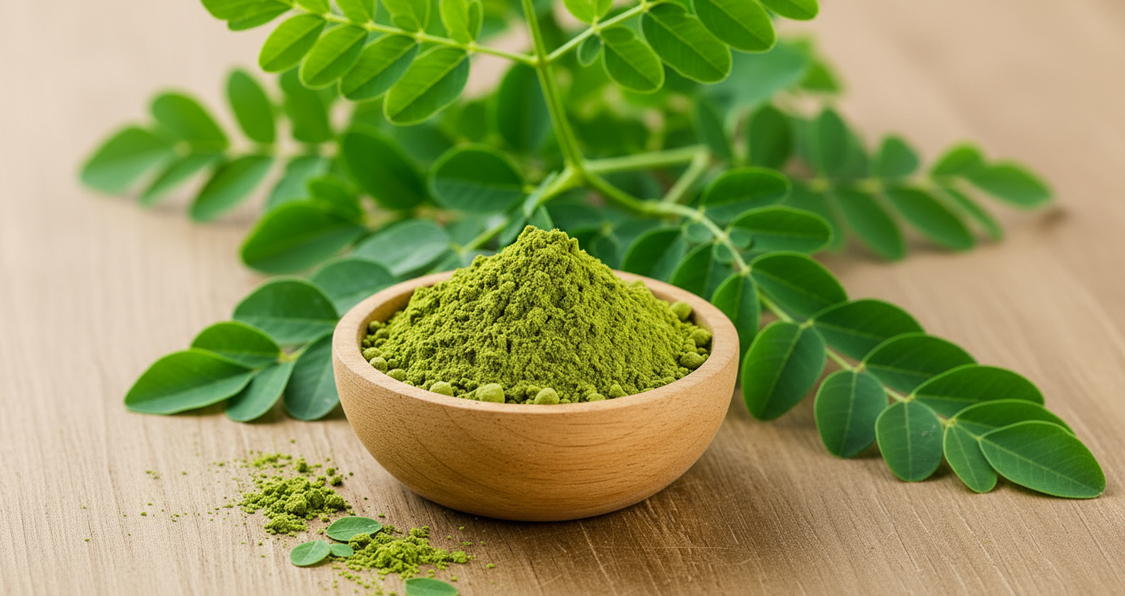
Moringa oleifera—also known as the drumstick tree, “murunga,” or මුරුංගා—is a nutrient-dense leaf rich in polyphenols and fiber. Early research suggests moringa’s bioactives—especially chlorogenic acid, quercetin, and unique isothiocyanates—may help support healthy glucose metabolism. When used with balanced meals, moringa may modestly blunt post‑meal glucose rises, while its fiber helps slow carbohydrate absorption. Moringa isn’t a treatment for diabetes, but it can complement a low‑glycemic eating pattern, regular activity, quality sleep, and stress management. If you use glucose‑lowering medications, monitor your readings and speak with your clinician before adding moringa.
Why Metabolic Balance Matters
- Glycemic control refers to keeping blood sugar within a healthy range throughout the day, especially after meals.
- Insulin sensitivity describes how effectively cells respond to insulin’s signal to take up glucose.
- When blood sugar spikes frequently, it can contribute to energy slumps, cravings, oxidative stress, and long‑term cardiometabolic strain. Building a routine that promotes steadier glucose—food, movement, sleep, and stress care—pays dividends for focus, mood, and overall wellness.
How Moringa May Support Healthy Blood Sugar
Moringa’s potential benefits are multi‑factorial and food‑based:
- Chlorogenic acid (phenolic acid): May slow glucose absorption in the intestine and support healthy liver glucose output, contributing to smoother post‑meal responses.
- Isothiocyanates (unique to moringa): Preclinical research suggests they can influence pathways related to inflammation and metabolic signaling that intersect with insulin sensitivity.
- Quercetin and other polyphenols: May help modulate carbohydrate‑digesting enzymes (e.g., alpha‑glucosidase) and support endothelial function relevant to metabolic health.
- Fiber and matrix effect: Leaf fiber can slow gastric emptying and carbohydrate absorption, contributing to a lower glycemic impact when moringa is eaten with meals.
- Micronutrient support: Potassium, magnesium, and antioxidant vitamins (C, E, provitamin A) support cellular function and the body’s response to everyday oxidative stress linked with metabolic strain. See our related piece on antioxidant support.
Together, these factors position moringa as a supportive culinary ally in a broader metabolic routine.
What the Research Says
- Laboratory and animal studies: Consistently show moringa leaf extracts can improve markers of oxidative balance and influence enzymes relevant to glucose handling.
- Early human data: Small, short‑term studies and meal‑challenge trials suggest moringa leaf powder taken with a meal may modestly reduce postprandial glucose excursions in some individuals. Results vary by dose, meal composition, and individual baseline status.
- Bottom line: Evidence is promising but preliminary. Large, long‑duration human trials are needed. Treat moringa as a supportive food or supplement—not a medication.
Practical Ways to Use Moringa for Glycemic Support
- With meals most likely to spike you: Sprinkle moringa leaf powder into smoothies, soups, or savory dishes that contain carbohydrates.
- Start low, go slow: Begin with 1/2 teaspoon daily and increase to 1–2 teaspoons as tolerated. Capsules can be used per label instructions from reputable brands.
- Timing tips: Many people take moringa just before or with meals for post‑meal support. Follow your clinician’s advice if you monitor glucose or use medications.
- Pair with healthy fats and protein: Combine moringa with nuts, seeds, yogurt, eggs, legumes, or olive oil to further smooth glycemic impact.
- Hydrate: Adequate fluids support digestion and fiber’s benefits.
Diet and Lifestyle Pairings That Multiply the Benefits
- Low‑glycemic plate: Fill half your plate with non‑starchy vegetables; include lean proteins, healthy fats, and choose fiber‑rich carbs (lentils, whole grains, sweet potato).
- Movement “snacks”: 10–15 minutes of walking after meals can significantly improve post‑prandial glucose dynamics.
- Sleep and stress care: Poor sleep and high stress raise cortisol, which can nudge glucose higher. Aim for consistent sleep and simple stress resets (breathwork, stretch breaks).
- Antioxidant synergy: Moringa’s polyphenols complement a colorful diet. Explore our article on antioxidant support to understand the oxidative stress connection.
Who Might Consider Moringa
- Individuals seeking gentle, food‑based support for steadier post‑meal responses.
- Those optimizing a cardiometabolic health routine with diet, exercise, and sleep.
- People sensitive to caffeine looking for non‑stimulant options that support daily vitality.
Who Should Be Cautious
- Medication users: If you take insulin or oral glucose‑lowering medicines, moringa could potentially enhance their effects. Monitor closely and consult your clinician.
- Pregnant or breastfeeding: Culinary amounts of leaves appear common in certain cuisines, but supplement‑level doses, seeds, and root/bark are typically avoided. Seek medical guidance.
- Digestive sensitivity: Introduce slowly; excessive amounts may cause GI discomfort.
This content is educational and not medical advice.
Quality and Sourcing Tips
- Choose products labeled Moringa oleifera leaf, ideally organic and third‑party tested for heavy metals and microbes.
- Prefer gentle drying and low‑temperature processing to preserve polyphenols and nutrients.
- Store powders airtight, away from heat and light to protect antioxidant potency.
How to Track Your Progress
- Glucometer or CGM: Note pre‑meal and 1–2 hour post‑meal readings with and without moringa in the same meal context.
- Meal journal: Record portions, timing, sleep, and activity to identify patterns.
- Subjective cues: Watch for steadier energy, fewer cravings, and more consistent focus.
Simple, Glycemic‑Friendly Ways to Add Moringa
- Green breakfast smoothie: Greek yogurt or unsweetened plant protein, spinach, 1 tsp moringa, chia, frozen berries, water.
- Savory egg scramble: Sauté onions, tomatoes, and greens; whisk in eggs with 1/2 tsp moringa and a drizzle of olive oil.
- Lentil soup upgrade: Stir 1 tsp moringa into a bowl of dal or lentil soup just before serving.
- Herbal tea: Steep moringa leaf tea; add a squeeze of lemon and a cinnamon stick.
Related Articles (Internal Links)
- Understand how polyphenols fit into the bigger picture: antioxidant support
- Explore the heart–metabolism connection: cardiometabolic health
- Learn why fiber matters for glucose and gut: fiber for digestive support
FAQs
- When should I take moringa for blood sugar?
Many people use it with or just before meals likely to cause a spike. If you monitor your glucose or take medications, follow your clinician’s guidance. - Can moringa replace medication?
No. Moringa is a complementary food or supplement. Do not change or stop medications without medical advice.
Key Takeaways
- Food‑based support: Moringa offers chlorogenic acid, isothiocyanates, polyphenols, and fiber that may support post‑meal glucose balance.
- Works best in context: Combine moringa with low‑glycemic meals, movement, sleep, and stress care.
- Start small and monitor: Especially important if you use glucose‑lowering drugs.
- Quality matters: Choose tested, well‑processed moringa leaf for consistent results.
Last Updated
Wednesday, October 29, 2025 UTC